
GATE 2025 Exam Registration From 24 August to 26 September 2024, Application Dates Announced

GATE 2025 Exam Application submission will be commencing from 24 August 2024 at ‘https://gate2025.iitr.ac.in/’
The last date to submit application for GATE 2025 Exam is 26 September 2024.

Schedule for the registration has been announced on the official website of GATE 2025 Exam.
The test will be conducted on February on 1, 2, 15 and 16, 2025. The dates for the exam have been announced.
The official website in connection with GATE 2025 Exam was launched on 1 July 2025. The exam will be a computer based test, which means it will be held online.
The dates for GATE 2025 Exam registration is mentioned in the table format below for the sake of the students:

| Activity | Day | Date* |
|---|---|---|
| Opening Date of GATE Online Application Processing System (GOAPS) | Saturday | 24 August 2024 |
| Closing Date of REGULAR online registration/ application process (Without Late Fee) | Thursday | 26 September 2024 |
| Closing Date of EXTENDED online registration/ application process (With Late Fee) | Monday | 7 October 2024 |
| GATE 2025 Examinations | Saturday Sunday Saturday Sunday |
1 February 2025 2 February 2025 15 February 2025 16 February 2025 |
*All dates are liable to change

About the exam
The full name of the exam is Graduate Aptitude Test in Engineering, its popularly known to all as GATE. It is a national level exam conducted once a year.

GATE 2025 Exam is meant to be conducted for the year 2025. The GATE score obtained by the candidates will remain valid for a period of three years from the date of announcement of results.
GATE score is also used by some colleges and institutions for admission to postgraduate programs. Several Public Sector Undertakings (PSUs) have also been using GATE score for recruitment.
The exam is conducted by IITs and IISc Bangalore on behalf of National Coordination Board – GATE, Department of Higher Education, Ministry of Education of Government of India.
Who can take up GATE 2025 Exam registration?
Candidates who have completed graduation in the relevant discipline from a recognized educational institution can take up GATE 2025 Exam registration.

The bachelors degree can be from the field of Engineering, Technology, Science, Architecture/and Humanities.
Even those who have appeared for their qualifying degree exam and are waiting for the results or are about to appear for the final exams can also take up GATE 2025 Exam registration.
However, these people have to pass the exam and provide a proof for it by the time the admission process begins. More details are provided below:
How to take up GATE 2025 Exam registration?
The process to take up GATE 2025 Exam registration is online and candidates can submit applications at the official website that is reachable with the URL ‘https://gate2025.iitr.ac.in/’
1. The URL mentioned above must be typed into the browser and submitted to allow the webpage to download.
2. Once the webpage is ready, candidates can click the information brochure to know about the exam.
3. After knowing about the exam, candidates can click the link for registration. Clicking this link will open another webpage with another URL
4. When the webpage with another URL opens, candidates can click the link for registration and register to create an account with username and password.
5. Post account creation, candidates can login and start applying for GATE 2025 Exam.

$ High quality image of candidate’s photograph conforming to the requirements specified
$ High quality image of candidate’s signature conforming to the requirements specified
$ Scanned copy of Category (SC/ST) certificate in pdf format
$ Scanned copy of PwD Certificate in pdf format
$ Scanned copy of Certificate of Dyslexia (if applicable) in pdf format
$ Scanned copy of any of the valid photo Identity document: Aadhar-UID (preferable), Passport, PAN Card, Voter ID and
$ Driving License (should have Name, Date of birth of the candidate and unique Photo ID number. This must be carried in original to the examination hall for verification).
How to download the admit card?
The process to download admit card for GATE 2025 exam is online. Candidates have to visit the official website to download the hall ticket with the help of URL ‘https://gate2025.iitr.ac.in/’
1. The URL mentioned above has to be typed into the browser and submitted to allow the website to download.
2. Once the website is ready, candidates have to click the link to download the hall ticket.
3. After clicking the link, they can enter their roll number/application number and other required details and submit them to obtain the hall ticket.
Point to remember
Candidates who have successfully completed their GATE 2025 exam registration will alone be able to download the admit card. The link to download hall ticket will be made active at the appropriate time, a few days before the commencement of the exam.

The questions will be asked in two sections, while one section has questions related to General Aptitude which may be common to all candidates.
Next section has questions from the subject chosen by candidates while taking up GATE 2025 exam registration. More details are present below:
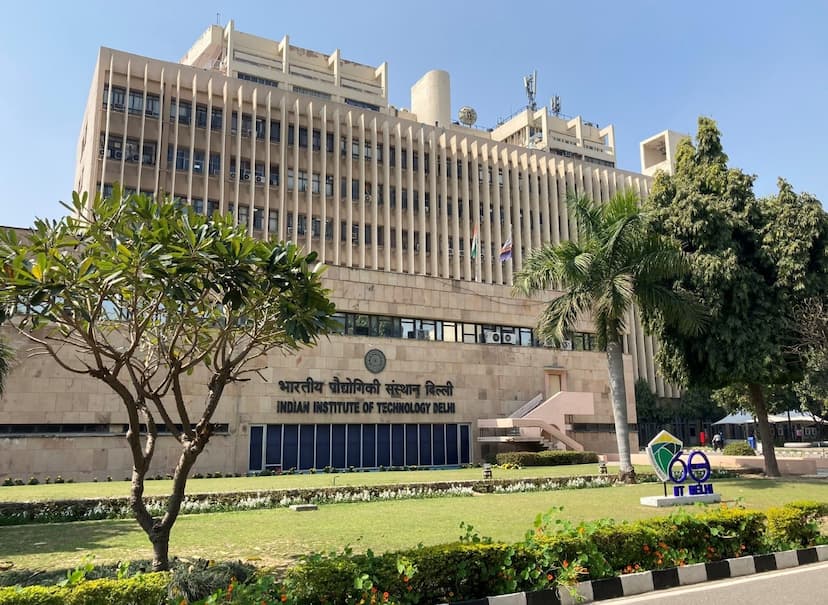
Exam Centers
The test centres will be located across the country. Candidates have to choose the centres for writing the exam while taking up GATE 2025 exam registration.
Candidates have to choose exam centres carefully, as chances to alter them at a later stage may not be provided.
Also Read – Top 20 Government Colleges in Punjab
They should also remember, that the test centres provided in the list below are tentative, more centres for the exam could be added as time moves ahead if there is a requirement:
| GATE Office, IISc, Bengaluru – 560 012 |
Tentative List of Examination Cities/Towns Andhra Pradesh: Ananthapuramu, Kurnool Kerala: Angamaly, Kannur, Kasaragod, Kozhikode, Malappuram, Palakkad, Pathanamthitta, Payyanur, Thrissur, Vatakara, Wayanad Karnataka: Bagalkot, Ballari (Bellary), Belagavi (Belgaum), Bengaluru North, Bengaluru South, Bidar, Chikkballapur, Chikkamagaluru, Davanagere, Hassan, Hubballi (Hubli)/Dharwad, Kalaburagi (Gulbarga), Kolar, Mandya , Mangaluru, Manipal-Udupi, Mysuru (Mysore), Shivamogga (Shimoga), Tumakuru Telangana: Hyderabad, Medak, Nalgonda Andaman and Nicobar: Port Blair |
| GATE Office, IIT Bombay, Powai, Mumbai – 400 076 |
Tentative List of Examination Cities/Towns Gujarat: Ahmedabad, Anand, Bhavnagar, Bhuj, Gandhinagar, Jamnagar, Mehsana, Rajkot, Surat, Vadodara, Vapi Maharashtra: Ahmednagar, Akola, Amravati, Aurangabad, Baramati, Chandrapur, Dhule, Jalgaon, Kolhapur, Latur, Mumbai, Nagpur, Nanded, Nashik, Navi-Mumbai-Thane, Panvel-Raigad, Pune, Ratnagiri, Sangamner-Loni-Shirdi, Sangli, Satara, Solapur, Vasai-Palghar, Wardha, Yavatmal Goa: Goa |
| GATE Office, IIT Delhi, Hauz Khas, New Delhi – 110 016 |
Tentative List of Examination Cities/Towns Haryana: Faridabad, Gurugram, Hisar Jammu and Kashmir: Jammu-Samba, Srinagar Ladakh: Leh Madhya Pradesh: Indore, Ujjain New Delhi: New Delhi Rajasthan: Ajmer, Alwar, Bikaner, Jaipur, Jodhpur, Kota, Sikar, Udaipur Uttar Pradesh: Greater NOIDA, Mathura |
| GATE Office, IIT Guwahati, Guwahati – 781 039 |
Tentative List of Examination Cities/Towns Arunachal Pradesh: Itanagar Assam: Dibrugarh, Guwahati, Jorhat, Silchar, Tezpur Bihar: Bhagalpur, Muzaffarpur, Patna, Purnea Jharkhand: Bokaro Steel City, Dhanbad Manipur: Imphal Meghalaya: Shillong Mizoram: Aizawl Nagaland: Dimapur, Kohima Sikkim: Gangtok Tripura: Agartala West Bengal: Asansol, Durgapur, Burdwan, Kalyani, Siliguri |
| GATE Office, IIT Kanpur, Kanpur – 208 016 |
Tentative List of Examination Cities/Towns Madhya Pradesh: Bhopal, Gwalior, Jabalpur, Sagar, Satna Uttar Pradesh: Agra, Aligarh, Allahabad, Bareilly, Gorakhpur, Jhansi , Kanpur, Lucknow, Varanasi |
| GATE Office, IIT Kharagpur, Kharagpur – 721 302 |
Tentative List of Examination Cities/Towns Andhra Pradesh: Eluru, Kakinada-Surampalem, Rajamahendravaram (Rajahmundry), Srikakulam, Tadepalligudem, Vijayawada, Visakhapatnam, Vizianagaram Chhattisgarh: Bhilai, Bilaspur, Raipur Jharkhand: Hazaribag, Jamshedpur, Ranchi Odisha: Balasore, Bhubaneswar, Brahmapur, Cuttack, Dhenkanal, Kakatpur (Puri), Rourkela, Sambalpur West Bengal: Bankura, Berhampur-Murshidabad, Hooghly, Howrah, Kharagpur-Midnapur, Kolaghat, Kolkata, Suri (Birbhum) |
| GATE Office, IIT Madras, Chennai – 600 036 |
Tentative List of Examination Cities/Towns Andhra Pradesh: Chirala, Chittoor, Guntur, Kadapa, Nellore, Ongole, Tirupati Kerala: Alappuzha, Aluva-Ernakulam, Attingal, Chengannur, Kanjirapally, Kollam, Kothamangalam , Kottayam, Muvattupuzha, Thiruvananthapuram Pondicherry: Puducherry Tamilnadu: Chennai South, Chennai West, Coimbatore, Cuddalore, Dindigul, Kanyakumari-Nagercoil, Madurai, Namakkal, Ramanathapuram, Salem, Thanjavur, Theni, Thoothukudi, Tiruchirapalli, Tirunelveli, Vellore, Virudhunagar Telangana: Adilabad, Karimnagar, Khammam, Kodad, Kothagudem, Nizamabad, Suryapet, Warangal |
| GATE Office, IIT Roorkee, Roorkee – 247 667 |
Tentative List of Examination Cities/Towns Haryana: Ambala, Kurukshetra Himachal Pradesh: Bilaspur, Hamirpur, Kangra, Mandi, Shimla-Solan Punjab: Amritsar, Bathinda, Jalandhar, Ludhiana, Mohali-Chandigarh, Patiala, Pathankot Uttar Pradesh: Ghaziabad, Meerut, Moradabad, Muzaffarnagar, NOIDA, Saharanpur Uttarakhand: Dehradun, Haldwani, Roorkee |
This is a tentative list of examination cities. Any changes will be updated on the website.
Choice of Examination City: A candidate can choose three cities from the list given above. All the three choices must be from the same GATE 2025 exam zone. GATE 2025 reserves the right to add a new city or remove an existing one, and allot a city that may not be from any of the choices selected by the candidate.
Point to remember
GATE 2025 exam registration is just one part of the whole effort to gain admission into postgraduate courses. There is a lot of things that happen after GATE 2025 exam registration.
Applicants have to pass the exam with the required qualifying marks which are also known as cutoff marks, these are the minimum marks the candidates have to score in the exam to be eligible for the next phase of admission.
Score of the candidates, have to either greater than cutoff or equal to it to be eligible for the next stage of the process. Also, students must ensure there is no room left for errors while taking up GATE 2025 exam registration.
Committing mistakes while taking up GATE 2025 registration may later on lead to rejections, so the applicants have to exert caution while filling the application forms.
They should also have the required documents with them when they attend admission process, the documents that have been uploaded while taking up GATE 2025 exam registration must be carried along with them when the admission process is on.

S Vishnu Sharmaa now works with collegechalo.com in the news team. His work involves writing articles related to the education sector in India with a keen focus on higher education issues. Journalism has always been a passion for him. He has more than 10 years of enriching experience with various media organizations like Eenadu, Webdunia, News Today, Infodea. He also has a strong interest in writing about defence and railway related issues.
Related News

SSC CHSL Result 2026: Complete Guide & Question Paper Details

CBSE Class 10 Science Exam 2026: Question Paper Pattern & Preparation Guide

How India’s Top JEE Students Overcame Challenges to Achieve Their Dreams

Board Exams 2025 Countdown: Stay Calm and Confident With These Essential Tips

10 Powerful JEE Mains 2026 Preparation Tips to Boost Your Exam Score
AP EAMCET 2026 final phase seat allotment releases Aug 26 at cap.apcfss.in. Get dates, eligibility, reporting steps,

If you’re refreshing cap.apcfss.in every hour hoping for good news, you’re not alone. Thousands of AP EAMCET 2026 candidates are in the same boat right now, waiting for the AP EAMCET 2026 final phase seat allotment, which the Andhra Pradesh State Council of Higher Education (APSCHE) is set to release on August 26, 2026, after 6 PM.
This is the last window to grab a seat in engineering, pharmacy, or agriculture courses through the AP EAPCET counselling process for this academic year — so getting the process right matters more than ever. In this guide, you’ll learn the complete final phase schedule, eligibility rules, how to check and download your allotment letter, the exact online and physical reporting steps, and the mistakes that cause students to lose an otherwise confirmed seat.
What Is AP EAMCET Final Phase Counselling?
The final phase is the concluding round of AP EAMCET counselling. It exists mainly to fill seats that remained vacant after the earlier phases — whether due to non-reporting, upgrades, or newly added seats in universities and private colleges under the Convenor quota.
Two categories of candidates are involved here:
- Candidates who already participated in Phase 1 and want to exercise fresh web options for better branches or colleges among the leftover seats.
- First-time participants who skipped earlier phases and must now complete certificate verification from scratch before they can enter options.
Either way, the final phase follows the same core sequence: registration, verification, web options, allotment, and reporting.
AP EAMCET 2026 Final Phase: Key Dates
Here’s the schedule candidates need to track closely:
| Event | Date |
|---|---|
| Final phase registration & fee payment | August 17 – 20, 2026 |
| Certificate verification | August 17 – 21, 2026 |
| Web options entry | August 17 – 22, 2026 |
| Option modification window | August 23, 2026 |
| Seat allotment result | August 26, 2026 (after 6 PM) |
| Online self-reporting | August 27 onwards |
| Reporting to allotted institute | August 27 – 31, 2026 |
Keep in mind that portal timings can shift by a few hours depending on server load, so it’s worth checking cap.apcfss.in periodically on results day rather than waiting for a fixed time.
Eligibility Criteria for Final Phase
Before you get excited about a seat, make sure you actually qualify:
- Age requirement: Candidates must have completed 16 years of age as of December 31, 2026, for engineering and allied courses. For Pharm D, the minimum age is 17 years as of the same date.
- Qualifying exam: A valid pass in Intermediate (or equivalent) with the required subject combination, along with a qualifying AP EAMCET 2026 rank.
- Category-specific reservations: Candidates claiming SC, ST, BC, or EWS benefits must hold valid, current certificates — an expired or mismatched certificate is one of the most common reasons for rejection during verification.
- Residency proof: Applicable for candidates applying under the local/regional reservation quota, based on Andhra Pradesh residence for a specified number of years.
Documents Required for Verification
Keep both physical copies and scanned digital copies ready. The standard checklist includes:
- AP EAMCET 2026 rank card
- AP EAMCET 2026 hall ticket
- Memorandum of Marks (Intermediate or equivalent)
- Date of birth proof (SSC memo or equivalent)
- Transfer certificate and study certificates
- Income certificate (for fee reimbursement, where applicable)
- Caste certificate (for reserved category candidates)
- EWS certificate valid for 2026, issued via MeeSeva, for OC candidates claiming EWS benefits
- Residence certificate covering the preceding seven years of the qualifying exam, for private candidates
- Andhra Pradesh residence certificate of father/mother, where required for local status
A quick tip: scan every document in advance at 200 DPI in PDF format under 500 KB. Portals routinely reject blurry or oversized uploads, and that alone can derail your verification.
How to Check AP EAMCET 2026 Seat Allotment Result
Once results are live, here’s exactly how to view and download yours:
- Go to the official counselling portal, cap.apcfss.in.
- Click on the link for “Final Phase Seat Allotment Result” or “Candidate Login” on the homepage.
- Enter your AP EAMCET 2026 hall ticket number, registration number, and date of birth.
- Your allotted institute and branch will be displayed on screen.
- Download and print your official Seat Allotment Letter along with the bank challan for fee payment.
Save a digital copy immediately — screenshot it too, in case the portal slows down later due to heavy traffic (which is common on allotment day).
Online Self-Reporting Process
Getting an allotment isn’t the finish line — you still need to confirm it. Here’s the self-reporting sequence:
- Log in to the counselling dashboard using your credentials.
- Choose your response: Accept the seat, freeze it, or opt for an upgrade in a later round (if the option exists in the final phase).
- Pay the requisite fee online through the generated challan, via net banking, UPI, or card.
- Download the confirmation receipt — this is your proof of self-reporting and is often required at the physical reporting stage too.
- Note your reporting deadline, as this varies slightly by category and institute type.
Missing this step, even after seeing your name on the allotment list, means the seat is treated as unclaimed and can be released to the next candidate.
Physical Reporting at Allotted Institute
After online self-reporting, most colleges still require an in-person visit:
- Carry original documents — the seat allotment letter, fee payment receipt, and all certificates submitted during verification.
- Visit the allotted institute within the reporting window (typically August 27–31, 2026).
- Submit original certificates for physical verification by the college.
- Pay any balance tuition fee, if not fully covered online.
- Collect your admission confirmation slip from the institute — this is your final proof of admission.
If you’re unable to travel due to genuine constraints, check whether your specific institute allows a representative or provisional reporting, since policies differ across government, university, and private colleges.
Tips to Avoid Losing Your Allotted Seat
- Never assume allotment equals admission — self-reporting and physical reporting are both mandatory unless the portal explicitly states otherwise.
- Set a phone reminder for the reporting deadline the moment allotment results are out.
- If you’re unsure whether to accept, freeze, or wait for an upgrade, understand each option’s consequence before clicking — some choices can’t be reversed.
- Keep your bank account funded and payment app ready; last-minute payment failures during high-traffic hours are common.
- Retain photocopies of everything you submit, both online and offline.
Common Mistakes Candidates Make
- Ignoring the modification window: Many candidates lock in a weak preference order and don’t revisit it during the correction period.
- Ignoring category certificate validity: An outdated EWS or income certificate can invalidate an otherwise successful verification.
- Delaying fee payment: Some candidates check the allotment but wait too long to pay, missing the self-reporting cutoff entirely.
- Skipping physical reporting: Assuming online confirmation is enough, when the institute visit is often still compulsory.
- Not tracking spam/junk folders: Some portal notifications land there and get missed.
Latest Updates and Trends
APSCHE has been increasingly pushing candidates toward digital verification, with most students now able to complete certificate checks online without visiting a helpline centre — only edge cases with document mismatches need in-person verification. This year’s final phase also opened up additional seats in newly added colleges and universities, giving fresh applicants more choices than in earlier phases. Candidates are advised to track official notifications closely, since reporting windows and portal timings have shifted slightly compared to previous years.
Key Takeaways
- AP EAMCET 2026 final phase seat allotment releases on August 26, 2026, after 6 PM at cap.apcfss.in.
- Both online self-reporting and physical institute reporting are required — one without the other risks seat cancellation.
- Reporting to the allotted college runs from August 27 to 31, 2026.
- Keep all original and scanned documents ready well before results day.
- Category certificates (EWS, SC/ST, residence) must be current and error-free.
Conclusion
The AP EAMCET 2026 final phase seat allotment is the last real shot at locking in your preferred engineering, pharmacy, or agriculture seat for this admission cycle. The process itself isn’t complicated, but it’s unforgiving of missed deadlines. Check your result on cap.apcfss.in after August 26, complete self-reporting promptly, and don’t skip the physical verification step at your allotted institute. Do that, and you’ll walk into the new academic year with your seat firmly secured.
FAQs
1. When will AP EAMCET 2026 final phase seat allotment be released? The result is scheduled for August 26, 2026, expected after 6 PM on cap.apcfss.in.
2. How can I check my AP EAMCET 2026 seat allotment result? Log in to cap.apcfss.in using your hall ticket number and date of birth, then view and download your allotment letter.
3. What is the last date to report to the allotted college? Physical reporting at the allotted institute must be completed between August 27 and 31, 2026.
4. Is online self-reporting enough to confirm my seat? No. Most institutes also require physical reporting with original documents within the given window.
5. What documents are required for AP EAMCET counselling verification? Rank card, hall ticket, marks memo, date of birth proof, and category-specific certificates like EWS or residence certificates, where applicable.
6. What happens if I miss the final phase reporting deadline? Your allotted seat is treated as unclaimed and released for further allotment to other eligible candidates.
7. Can first-time participants join the AP EAMCET 2026 final phase? Yes, candidates who didn’t take part in earlier phases can register in the final phase but must complete certificate verification from the beginning.

Related News
SSC CHSL Result 2026: Complete Guide & Question Paper Details
CBSE Class 10 Science Exam 2026: Question Paper Pattern & Preparation Guide
How India’s Top JEE Students Overcame Challenges to Achieve Their Dreams
Board Exams 2025 Countdown: Stay Calm and Confident With These Essential Tips
10 Powerful JEE Mains 2026 Preparation Tips to Boost Your Exam Score
Exam News
NEET UG 2026 Result Declared: 11.21 Lakh Qualify; Aryan Gupta and Panshul Bansal Score 715
17 Jul, 2026
CBSE Class 10 Second Board Result 2026 Expected Soon: Phase 2, Improvement and Supplementary Result Updates
11 Jul, 2026
WBJEE 2026 Round 1 Seat Allotment Result Today: Check Allotment Status, Fee Payment and Admission Process
7 Jul, 2026
Re-NEET UG 2026 Result Expected on or Before July 20; NTA Likely to Keep Medical Admission Schedule on Track
6 Jul, 2026
Featured News
Pandit Deendayal Upadhyaya Telecom Excellence Awards 2024: Apply by September 30 at awards.gov.in
12 Aug, 2024
Top 20 Management Colleges in Telangana
12 Aug, 2024
Top 20 Colleges for Psychology in India
11 Aug, 2024
Top IITs Launch Future-Proof Courses : New Tech-Savvy Courses in 2024
11 Aug, 2024
Hindenburg Research: A Crucial Study for Commerce Students
10 Aug, 2024
College News
Thirumurugan Sets Up Blockbuster Final as SRM Shines in TNTA Inter-College Tennis
18 Jul, 2026
SRMIST’s Sadhana Fenelon Wins Bronze in National Badminton Tournament
17 Jul, 2026
LPU Admission 2026: Fees, Dates, Courses & Eligibility, courses, and selection criteria. Everything you need before applying.
8 Jul, 2026
Gorakhpur University Dual MBA 2026: UP's First India-Malaysia MBA Programme Explained eligibility, dates, fees,
2 Jul, 2026