

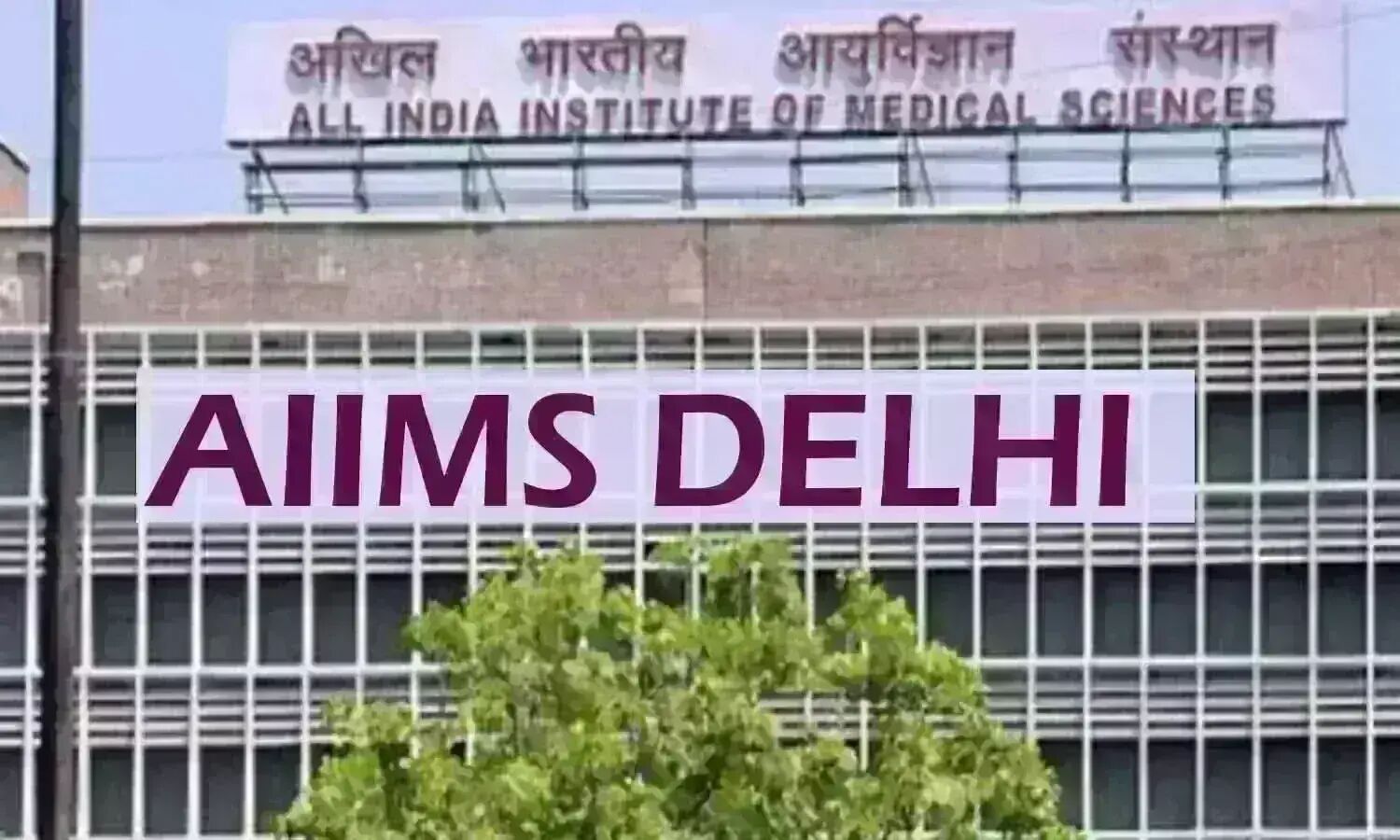
Mental health among students is becoming a major concern in India, with academic pressure, loneliness, and anxiety leading to alarming rates of stress and even suicides. Recognising this urgent issue, AIIMS Delhi launches ‘Never Alone’ app to help students tackle stress and provide emotional support through Artificial Intelligence (AI). This groundbreaking initiative is a step toward creating a safer, healthier, and more supportive academic environment.
Why AIIMS Delhi’s ‘Never Alone’ App Matters
The launch of this app is not just another digital tool; it’s a lifesaving intervention. Many students face difficulties in opening up to family or peers about their struggles. The ‘Never Alone’ app, developed by AIIMS Delhi, uses AI to create a safe space for students where they can share their emotions, track their mental health, and get resources for immediate help.
Mental health experts believe that with rising academic competition, such tools can play a pivotal role in reducing student suicides and improving emotional well-being.
Key Features of the ‘Never Alone’ App
AIIMS has integrated advanced technology with medical expertise to build this AI-based app. Some of its most notable features include:
1. 24/7 Emotional Support
Students can interact with the AI-driven chatbot anytime, ensuring they are never truly alone.
2. Suicide Prevention Tools
The app has built-in alerts to detect extreme stress levels and suicidal tendencies, providing instant crisis support.
3. Personalized Stress Management
Through regular check-ins, the app suggests meditation, breathing exercises, and coping strategies tailored to each student.
4. Expert Resources
AIIMS doctors and mental health professionals contribute to the knowledge base, offering trusted advice and guidance.
5. Safe and Confidential Environment
Privacy is a top priority, ensuring students feel secure while seeking help.
How AI-Based Mental Health Support Works
The AI-powered chatbot interacts with students in real time, analyzing their responses and emotions. Based on inputs, it provides personalized coping mechanisms and recommends professional help when needed. Unlike casual conversations with friends, this AI-based support is structured, scientific, and rooted in evidence-based practices.
This initiative also highlights how technology can bridge the gap in mental healthcare, especially in a country where stigma and lack of awareness often prevent students from seeking therapy.
Tackling Student Stress and Suicides
India has one of the highest student suicide rates globally, with reports showing that over 13,000 students die by suicide each year. The ‘Never Alone’ app aims to directly address this crisis. By providing an anonymous, stigma-free platform, students who hesitate to reach out to counselors can still find a lifeline.
According to AIIMS officials, the app is designed not only for medical students but also for learners across all streams. Stress and anxiety are universal, and so are the solutions provided by this AI-driven platform.
Students’ Reactions to the App
Initial responses from students have been overwhelmingly positive. Many have described it as a “friend in your pocket”, available at all times when loneliness or stress becomes overwhelming.
One student shared:
“Sometimes it’s hard to tell your parents or friends what you’re going through. Having an app like this makes it easier to open up without fear of judgment.”
Such feedback reinforces the app’s role in bridging the gap between students and mental health support.
The Role of AI in Mental Health
Artificial Intelligence is transforming healthcare globally, and AIIMS Delhi’s app is proof of its potential in mental health. From detecting depression symptoms to providing 24/7 assistance, AI ensures that no student feels left behind.
Moreover, AI-based apps can scale faster than traditional counseling services, making mental health care accessible to millions of students across India.
For reference, a similar global initiative is Woebot, an AI chatbot widely used for stress and anxiety management (Learn more here).
Why This Initiative Is a Game-Changer
The launch of the ‘Never Alone’ app signals a cultural shift. It shows that mental health is no longer being sidelined but addressed with urgency and innovation. By merging medical expertise with AI technology, AIIMS Delhi has set a precedent for other institutions.
Educational platforms like CollegeChalo also emphasize how mental health awareness and support can enhance academic performance and overall student well-being.
Also Read: AIIMS INI CET January 2025 Results: How to Check and Merit List Details
Future of AI-Powered Mental Health Support
The Never Alone app is just the beginning. With continuous updates, AIIMS plans to expand its features to include:
-
Integration with wearable devices to track heart rate and stress indicators.
-
Group therapy sessions via virtual communities.
-
Enhanced multilingual support to reach rural students.
Such initiatives will ensure mental health support reaches every corner of India.
Conclusion
The launch of AIIMS Delhi’s ‘Never Alone’ app to help students tackle stress is more than a technological advancement—it’s a ray of hope for thousands of young lives struggling under the burden of academic pressure and mental health challenges. By offering personalized, AI-powered, and confidential support, this initiative has the power to save lives, prevent suicides, and create a culture where seeking help is not a stigma but a strength.
As India takes strides toward prioritizing student well-being, the Never Alone app serves as a reminder that no student should ever feel helpless. With the right blend of technology, compassion, and awareness, the future of student mental health looks brighter than ever.