

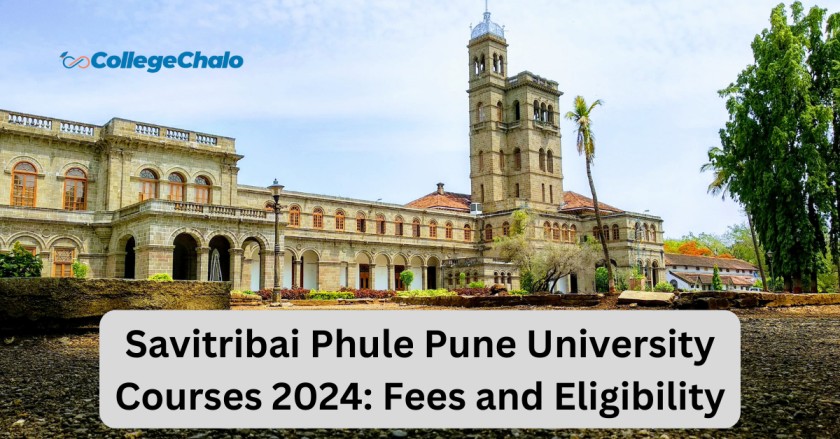
Savitribai Phule Pune University, formerly known as the University of Pune, is a renowned educational university in India. Established in 1949, the university offers a wide range of undergraduate, postgraduate, and doctoral courses across various disciplines. This article provides detailed information about the courses offered at Savitribai Phule Pune University, along with their respective fee structures.
Savitribai Phule University offers undergraduate, postgraduate, Doctorate, Diploma and Certificate courses. The university offers around 200 courses for students who are willing to get admission to the university. Students can check the Savitribai Phule University courses and fees in this article.
Also Read: ICSI CSEET July 2024 Application Submission on till 15 June 2024, Know How to Apply Here
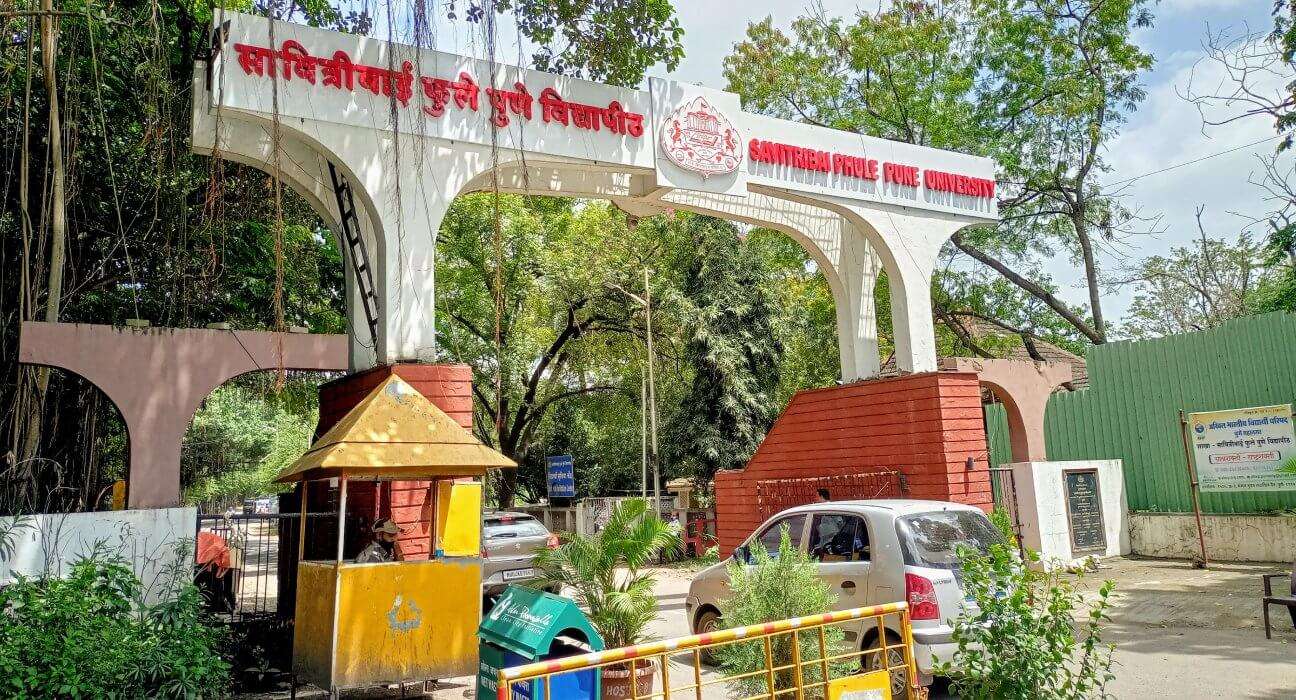
Savitribai Phule Pune University Courses and Fees
Savitribai Phule Pune University courses and fees are provided in the given below table. Students can check the courses and specialisations they are interested in.
| S.No | Name of the Course | Entrance/Qualifications |
| 1 | Doctor of Philosophy (Ph.D.) Arts | Master’s Degree |
| 2 | Master of Philosophy (M.Phil) | |
| 3 | Master of Arts (M.A.) | Graduate |
| 4 | Master of Arts (M.A.) (External) | |
| 5 | Master of Arts (M.A.) (Foreign Languages) | As prescribed in the syllabus |
| 6 | Master of Oriental Learning (M.O.L) | B.O.L. or B.A. with additional Oriental Learning |
| 7 | Master of Arts (Job Oriented Functional Hindi) | Graduate |
| 8 | Master of Fine Arts (M.F.A.) | Bachelor of Fine Arts |
| 9 | M.A. in Sanskrit Linguistics | Master’s Degree in any faculty studied Sanskrit or Prakrit or Pali at least up to Higher Secondary Level or at equivalent traditional level |
| 10 | M.A. in Indian Logic and Epistemology | |
| 11 | Special of Arts (Special) B.A. (Spl) | H.S.C. Exam from statutory Board /University in India or equivalent examination |
| 12 | Bachelor of Arts (Restructure) (B.A.) | |
| 13 | Bachelor of Arts (General) B.A. General (External) | |
| 14 | Bachelor of Fine Arts | |
| 15 | Bachelor of Oriental Learning (B.O.L) in Sanskrit | S.S.C./H.S.C. or its equivalent with Sanskrit as one of the subjects |
| 16 | Diploma & Degree course in Hindi Functional languages | F.Y. B.A. with Hindi |
| 17 | Special Diploma course in Russian | 70% marks in Advanced Diploma in Russian |
| 18 | Advanced Diploma in French | Diploma course in respective languages/ S.S.C./H.S.C. |
| 19 | Advanced Diploma in German | |
| 20 | Advanced Diploma in Russian | |
| 21 | Advanced Diploma in Japanese | |
| 22 | M.A. Lalit Kala | B.A. Lalit kala |
| 23 | B.A. Lalit kala | H.S.C. |
| 24 | Lower Diploma in Sanskrit / Ardhamagadhi / Pali | Certificate course in respective language or XI std. with the respective subject of any faculty or Graduate |
| 25 | Higher Diploma in Sanskrit /Ardhamagadhi / Pali | S.S.C./ H.S.C. or Graduate of any faculty/ Lower Diploma in the respective language |
| 26 | Diploma in Music | S.S.C. |
| 27 | Diploma course in French | Certificate course in the same language |
| 28 | Diploma course in German | |
| 29 | Diploma course in Russian | |
| 30 | Diploma course in Japanese | |
| 31 | Diploma in Literature in Modern European Languages | Diploma in Language examination |
| 32 | Vyawaharik Hindi Padvika and Madhyamik Hindi Adhyapak | Graduate |
| 33 | Diploma in Manuscriptology | Certificate course in Manuscriptology |
| 34 | Prayojanmulak Hindi Padvika | S.S.C./H.S.C. with Hindi |
| 35 | Sampreshan aur Janasampark Madhyamo ke liye Hindi Lekhan Padvika Pathyakram | Graduate |
| 36 | Hindi tankan, Ashulekhan and mudrit sanshodhan Padvika Pathyakram | Graduate with Hindi |
| 37 | Part-time certificate course and Diploma course in Translation | Graduate |
| 38 | Diploma Course in Urdu | (i) S.S.C./H.S.C. or equivalent examination passed with Urdu as one of the subjects OR
(ii) Graduation of any faculty without Urdu subject at any stage of Graduation. |
| 39 | Vyavaharik Marathi Padvika Abhyaskram | Any Graduate. |
| 40 | Doctor of Philosophy (Ph.D.) | Master’s Degree in MMS, MBA, MCM, MC Administration |
| 41 | Masters of Business Administration (M.B.A.) | Graduates possessing 50% marks at the degree (45% in the case of the reserved Category candidates) in any faculty of a Statutory university shall be eligible for admission to the MBA Course after a written test, Interview and other tests. |
| 42 | Master of Personnel Management (M.P.M) | Any graduate of any statutory University will be eligible for admission to the M.P.M. Course. |
| 43 | Master of Computer Management (M.C.M.) | Graduate |
| 44 | Master of Management Sciences (M.M.S.) | |
| 45 | Master of Marketing Management (M.M.M.) | Graduate of any discipline with 50% marks of any University recognised by the Association of Indian Universities or any equivalent degree. |
| 46 | Master of Computer Application (M.C.A.) | Bachelor’s Degree a) HSC or Equivalent in an academic stream of science, arts, or Commerce. b) Students who have completed a Diploma in HMCT (National Council of BTE are eligible to be admitted directly to the T.Y.Sem.V.) |
| 47 | Bachelor of Hotel Management & Catering Technology (B.H.M.C.T.) | |
| 48 | Diploma in Business Management (D.B.M.) | Graduate of any statutory University with 2 years of working experience or Diploma in Engineering of a Statutory Technical Board with 5-Years post-diploma experience or Students with 2-years working experience appearing for a graduate examination |
| 49 | Diploma in Computer Management | Graduate of any statutory University |
| 50 | Diploma in Marketing Management (D.M.M.) | Graduate of any statutory University or its equivalent examination OR any three-year Diploma after SSC examination of Board of Technical Education or Equivalent or three-year Diploma of any recognised University or equivalent with 2 years experience |
| 51 | Diploma in Co-operative Management (D.C.M.) | Graduate with 45% marks |
| 52 | Diploma in Print Administration (D.P.A.) | Graduate |
| 53 | Diploma in Hospital Management (D.H.M.) | |
| 54 | Diploma in Office Management (D.O.M) | |
| 55 | Diploma in Capital Marketing Management (D.C.M.M.) | Graduate with 50% or more (45% or more marks for roster candidate) of arts/sc/Com./Tech/Mang. Of any other equivalent and recognised universities |
| 56 | Diploma in Financial Services (D.F.S.) | Graduate of this University or any other Statutory University in any faculty |
| 57 | P.G. Diploma in Environment | Graduates of any discipline with 50% marks from any university recognised by the Association of Indian University or an equivalent degree |
| 58 | Advanced Diploma in Computer Application (A.D.C.A.) | Graduate with 45% marks (marks 40% for reserved candidates) |
| 59 | Doctor of Philosophy (Ph.D.) Commerce | Master’s Degree |
| 60 | Master of Philosophy (M.Phil.) | |
| 61 | Master of Commerce (M.Com.) | B.Com. |
| 62 | Master of Commerce (M.Com.) (External) | |
| 63 | Bachelor of Commerce (B.Com.) | HSc Exam from Statutory Board/University in India or equivalence |
| 64 | Bachelor of Commerce (B.Com.) (External) | |
| 65 | Bachelor of Commerce (B.Com.) (Restructured) | |
| 66 | P.G. Diploma in company secretaryship | Graduate |
| 67 | P.G. Diploma in Salesmanship & Advertisement | |
| 68 | P.G. Diploma in Statistics | |
| 69 | P.G. Diploma in Taxation | |
| 70 | P.G. Diploma in Banking | |
| 71 | P.G. Diploma in Accountancy | |
| 72 | P.G. Diploma in International Business | Minimum II Class (with 50% aggregate marks) Bachelor’s degree in commerce Business Administration Social, Mental, Moral Sciences, Physical Sciences, Engineering Pharmacy of this university or any statutory or Foreign University |
| 73 | Certificate Course in E-commerce (introduced in the Academic year 2000-01) | T.Y.B.Com. |
| 74 | Doctor of Science (D.Sc.) | Master’s Degree |
| 75 | Doctor of Philosophy (Ph.D.) | |
| 76 | Master of Philosophy (M.Phil.) | |
| 77 | Ph.D. in Education (Interdisciplinary) | |
| 78 | M.Phil in Education (Interdisciplinary) | |
| 79 | M.Phil (Physical Education) | |
| 80 | Master of Education (M.Ed.) | M.Ed.(Phys.)/M.P.Ed. |
| 81 | Master of Education (Physical Education) M.Ed. (Physical Education) | B.Ed./B.T. |
| 82 | M.Ed. Interdisciplinary | B.Ed. |
| 83 | M.A. (Education.) Interdisciplinary | Graduate |
| 84 | Bachelor of Education (B.Ed.) | |
| 85 | Bachelor of Education (Physical Education) B.Ed. (Physical Education) | |
| 86 | B.Ed. (Yoga) | |
| 87 | B.Ed. (Vocational) | |
| 88 | B.Ed. Education of Handicapped | |
| 89 | Bachelor of Physical Education (BPE) | |
| 90 | Bachelor’s Degree (B.Sc.) in Physical Education, Health Education and Sports | HSC Exam from Statutory Board/University in India or Equivalence |
| 91 | B.Ed. (Hearing impaired) | Graduate with II ND Class |
| 92 | Post-Graduate Diploma In Research Methodology of Education | B.T./B.Ed. |
| 93 | Diploma in Education for Deaf | Minimum 12th Standard pass or its Equivalent degree course recognized by the University |
| 94 | Diploma in Education for Teachers of Mentally Retarded Children | Graduate |
| 95 | Diploma in Sports Journalism | Phys. Education/B.P.Ed. or equivalent degree course recognized by the University |
| 96 | Special Training Course for Teachers of Mentally Retarded Persons | — |
| 97 | Certificate Course for Training of Adult Education Middle-Level Functionaries (Animators) and Supervisors | H.S.C |
| 98 | Spl. Diploma in Education (Hearing Impaired) | |
| 99 | Master of Pharmacy (Partly by papers) (M.Pharm.) | B.Pharm. Scoring not less than 60% from a recognised university, 50% marks for reserved category |
| 100 | Master of Pharmacy (M.Pharm.) Quality Assurance Techniques. | B.Pharm. at least 50% marks. |
| 101 | Bachelor of Pharmacy (B.Pharm.) | SC or equivalent or D.Pharm. with 1st class. |
| 102 | Doctor of Philosophy (Ph.D.) | Master’s degree |
| 103 | Doctor of Laws (LL.D.) | Master of law |
| 104 | Master of Laws (LL.M.)&(LL.M.) (External) | LL.B. |
| 105 | Master of Labour Laws and Labour Welfare | Graduate |
| 106 | Bachelor of Laws (LL.B.) | |
| 107 | Bachelor of Laws (General) | |
| 108 | Bachelor of Laws (Five-Year) | H.S.C Exam from Statutory Board/University in India or equivalent |
| 109 | Bachelor of Social Legal Science (B.S.L) | |
| 110 | Diploma in Taxation Laws | Graduate |
| 111 | Diploma in Labour Laws and Labour Welfare | |
| 112 | Diploma in Co-operative Laws | |
| 113 | Diploma in Criminology | |
| 114 | Diploma in Legislative Drafting | LL.B. |
| 115 | Doctor of Philosophy (Ph.D) Science | Master’s Degree |
| 116 | Master of Philosophy (M.Phil.) | |
| 117 | Master of Science (M.Sc) | B.Sc. |
| 118 | Master of Computer Applications (M.C.A) | Bachelor’s degree in any discipline with Mathematics in XII std. |
| 119 | M.Sc Medical Biochemistry | Graduate |
| 120 | M.Sc Biotechnology | |
| 121 | M.Sc in Petroleum Technology | B.Sc |
| 122 | M.Sc Applied Electronic Science | B.Sc Applied Electronics or B.E. |
| 123 | P.G.B.Sc Applied Course in Toxicology | B.Sc |
| 124 | P.G.B.Sc Applied Course in Tissue Culture | B.Sc with Zoology |
| 125 | Master of Computer Science (M.C.S) | Bachelor’s Degree In any Discipline with Mathematics in XII std. |
| 126 | M.Tech. (Atmospheric Physics) | M.Sc. |
| 127 | M.Tech. (Computer Science) | a) B.E/B.Tech or M.Sc. in Physical or Sciences and Mathematical
b) A Valid GATE Score In either a mathematical or Physical Science or any Engineering Discipline. c) A UGC-CSIR Junior Research Fellow. D.T.S.R. candidates are exempted from ‘ b’ & ‘c’ conditions. |
| 128 | M.Tech. (Bio-Informatics) | Graduate |
| 129 | 1) M.Tech. in Lasers & Electro-Optics 2) M.Tech. in Mathematical Modelling and Simulation
3) M.Tech. in Radar Systems 4) M.Tech. in Integrated Digital Communications |
M.Sc./B.E/B.Tech with 55% marks. B.E./B.Tech/ M.Sc. with Ist class. Ist class with B.E./B.Tech/ M.Sc.Electronic Science Same as above |
| 130 | M.Tech. Cross Migration & II Level M.Tech. in Computer. | Graduate |
| 131 | M.Tech. Course in Resource Development | M.Sc Geology |
| 132 | M.Sc in Computer Science | Bachelor’s Degree in any discipline with minimum 50% marks (Passing Marks for Reserved Category) |
| 133 | M.Sc. Tech.Weapon Systems | Graduate of NDA or any other recognized univ. |
| 134 | M.A./M.Sc. Health Sciences | B.Sc. (any subject including Nursing, Home Science and Nutrition), B.A. (Social Sciences, Economics, Sociology, Anthropology, Psychology) Degree in any branch of Medicine, B.Pharm. of any statutory univ. or recognized as equivalent thereto by the univ. of Pune, with at least 50% marks. |
| 135 | M.A./M.Sc in Communication Studies | Graduate |
| 136 | M.Tech. in Laser And Laser applications | Post-Graduate Physics Electronic or Graduate Degree in Engineering Electrical Mech. |
| 137 | M.Sc. (Tech.) Information Technology | B.E./B.TECH./M.Sc./M.S./M.C.S./M.C.A. or
Equivalent degree of any recognized university or Institute with sound Knowledge of computing in DOC/UNIX environments and Proficiency in programming in C |
| 138 | M. Tech. in Material Science | Post-Graduate (Physics-chemistry-English) |
| 139 | M.Sc. in Drug Chemistry | Graduate |
| 140 | M.Sc in Energy Studies | |
| 141 | M.C.S (with Scientific Computing) | |
| 142 | M. Tech (Software Engineering) | (a) B.E., M.E. or M.Tech. in Aeronautical, Electrical, Electronics, Instrumentation, Communications Engineering or Equivalent Service Qualifications. Graduate with 55% or Above marks. |
| (b) M.Sc. in Physics, Mathematics, Electronics, Statistics or M.Sc. Engineering or Equivalent service qualifications. | ||
| 143 | Bachelor of Science (B.Sc.) | H.S.C. Exam from Statutory Board/University in India or equivalence |
| 144 | Bachelor of Science (Restructure) (B.Sc.) | |
| 145 | B.Sc. (Applied) Environmental Pollution | B.Sc./B.E |
| 146 | B.Sc. (Applied) Electronics | B.Sc. |
| 147 | B.Sc. (Applied) Bio-Medical (Techniques) | |
| 148 | B.Sc. (Applied) Pollution Environment | B.Sc/B.E./Diploma in engg. With 2 years experience |
| 149 | B.Sc. Applied Petroleum Technology | B.Sc. with Geology |
| 150 | B.Sc. Applied Scientific Instrumentation | B.Sc. with Physics |
| 151 | B.Sc. Applied Energy Studies | B.Sc./B.E. |
| 152 | Bachelor of Computer Science (B.C.S.) | H.S.C. Exam in PCM from Statutory Board/University in India or equivalence |
| 153 | Diploma in Hydrogeology | M.Sc. |
| 154 | P.G. Diploma in Mineral Exploration | M.Sc.(Geology) |
| 155 | Job-oriented diploma course in Industrial Chemistry | H.S.C with Science Subject |
| 156 | Evening Course in Computer Programme | Graduate |
| 157 | Certificate/Diploma Course in River Basin and Management | B.E./M.Sc. |
| 158 | Certificate and diploma courses in Application-oriented Disciplines (Refrigeration, Radio Servicing, Television Servicing and Industrial Electronics) | H.S.C with Science Subjects |
| 159 | Coding, Theory and Cryptography | – |
| 160 | Certificate Course in Weapon System | Graduate of NDA or any other Recognized University |
| 161 | Diploma in Weapon System | Qualified at crews or young officers course, 2 years |
| 162 | Post – Graduate Diploma in
(1) Automobile Technology (2) Armament Technology (3) Radio Communication |
|
| 163 | Advanced Diploma in Bioinformatics | 10+2 |
| 164 | P.G.Diploma in Community Health & Development (DCHD) | Graduate |
| 165 | P.G.Diploma in Dietetics | Graduate in Science in Biochemistry, Microbiology, life science & home-science |
| 166 | Certificate Course in Awareness of Health and Environmental | S.S.C. |
| 167 | B.Sc. Tech. Weapon System | 10+2 |
| 168 | B.Sc. (Applied) (Optometry) | B.Sc. Phy, Chem, Botany, Zoology, Electronics, Microbiology, M.B.B.S./B.A.M.S/B.H.M.S./B.Pharm. with min. 50% Marks |
| 169 | Post-Graduate Certificate CourseIn Tank Technology |
|
| 170 | Basic Diploma in Weapon System | 10+2 |
| 171 | P.G.Diploma in Armament Technology |
|
| 172 | P.G. Diploma in mobile warfare communication | Graduate |
| 173 | P.G.Diploma in Automotive Technology | |
| 174 | Diploma in Equipment Management | JCO who completed the composite Tank Commanders courses |
| 175 | Diploma in Automotive Technology | NCO’s who completed the Automotive Technology course |
| 176 | Diploma in Explosive and Armament | NCOs who completed the Armament Technology course |
| 177 | Diploma in Communication Technology | NCOs who completed the Communication technology course |
| 178 | Certificate course in VLSI Design | B.E.(Electronics, Instrumentation, Computer), M.Sc.Electronics, Instrumentation) & M.C.S. |
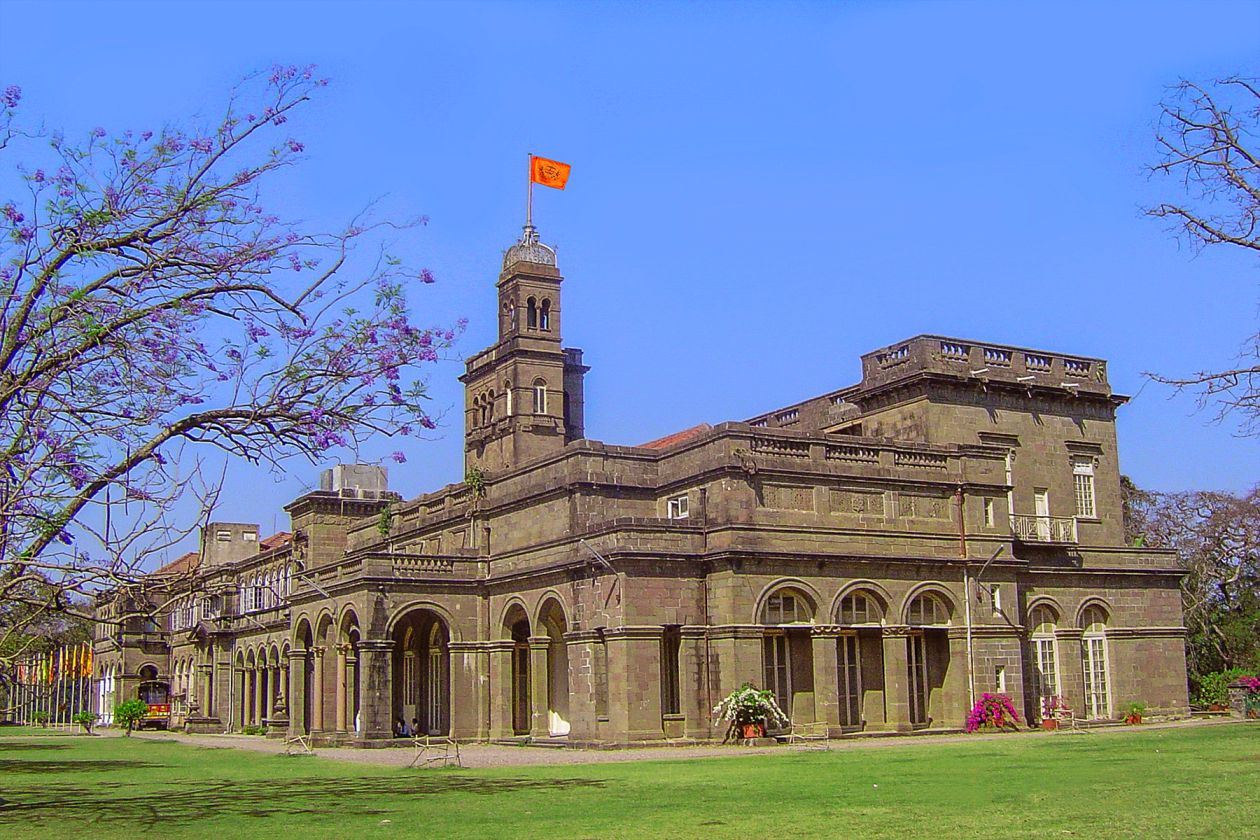
Savitribai Phule University Additional Courses
Some of the other popular Science courses offered at Savitribai Phule University are given in the table.
| Course | Eligibility |
| ASIC Design | Final year B.E. Students |
| EPGA Based System Design | Diploma in Engg. Passed |
| 3D(Solid & Surface) Modelling | B.Sc. in Physics/Electronics passed |
| Computer Hardware and Networking | I.T.I Draftsmen with a minimum of one year experience B.Sc. in Electronics, Physics in Electronics, Diploma in Electronics |
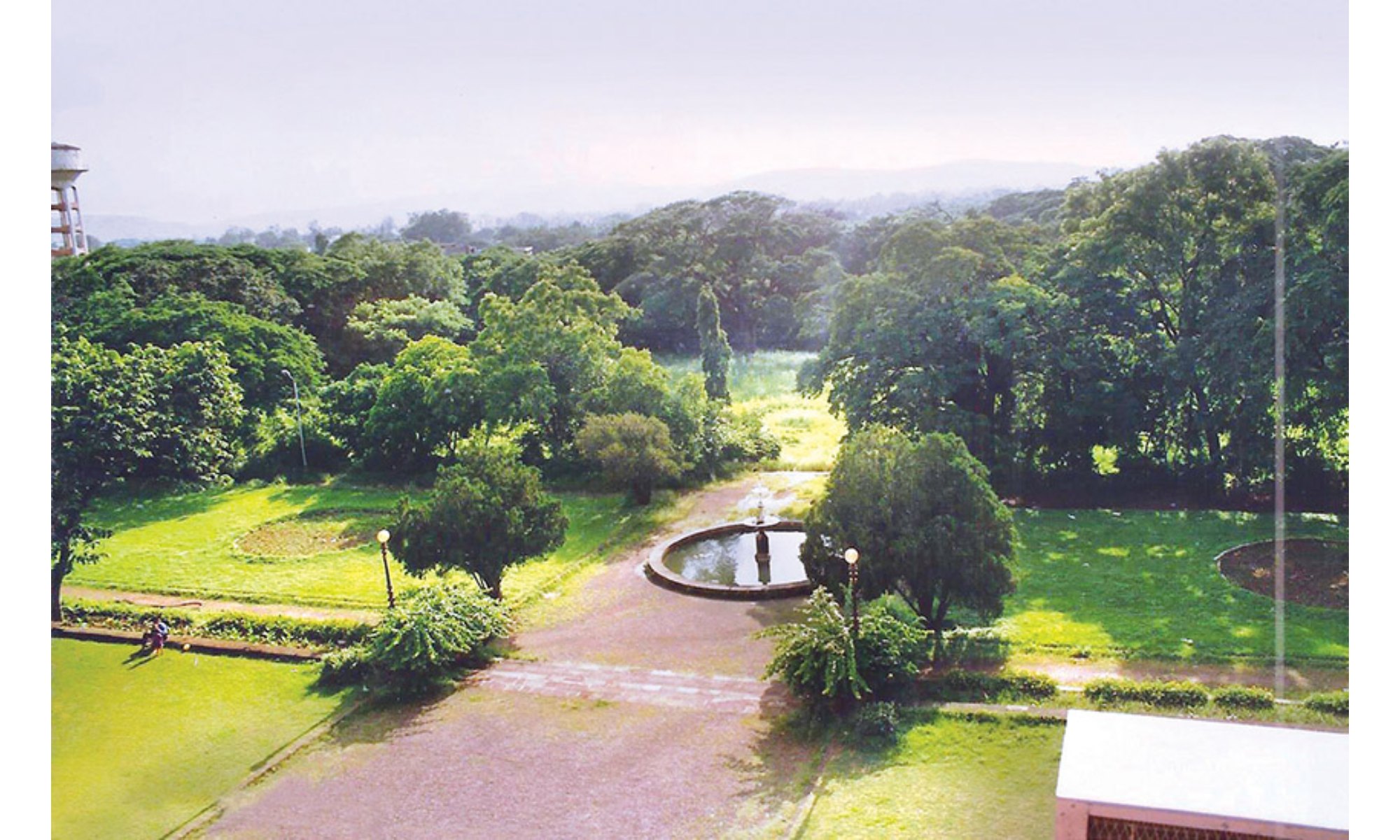
Savitribai Phule University Course Fees
Savitribai Phule University Course Fees vary from course to course. The SPU Pune course fees are affordable for students. The course fees start from INR 1000 to 50,000 including the Laboratory fees. If you are willing to know about the detailed Savitribai Phule University Course and Fees, you can visit the official website or click here to view the pdf of the full list of course fees.
Conclusion:
Savitribai Phule Pune University is a shining example of higher education, with a comprehensive choice of degrees to suit a wide spectrum of academic interests. The university’s commitment to excellence, combined with its rich history, makes it a top choice for students looking for a high-quality education. Discover the Savitribai Phule Pune University courses and fees to begin an engaging academic career.