

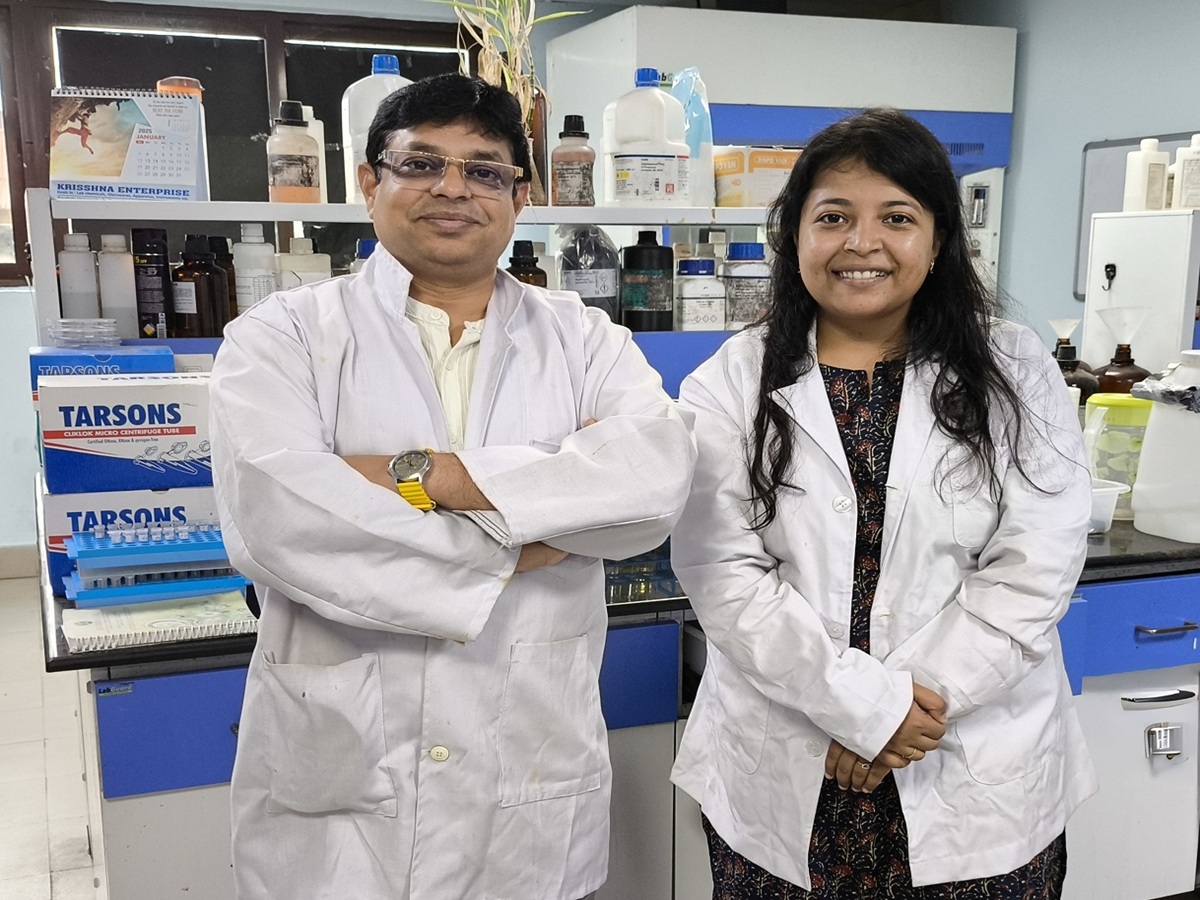
IIT Guwahati researchers have developed a novel sensor from milk protein and thymine that can detect Mercury and tetracycline antibiotics contamination in water.
Led by Prof. Lal Mohan Kundu, Professor, Department of Chemistry, along with his research scholars, Ms. Pallabi Paul, and Ms. Anushka Chakraborty, the developed sensor uses carbon dots and Ultraviolet lights.
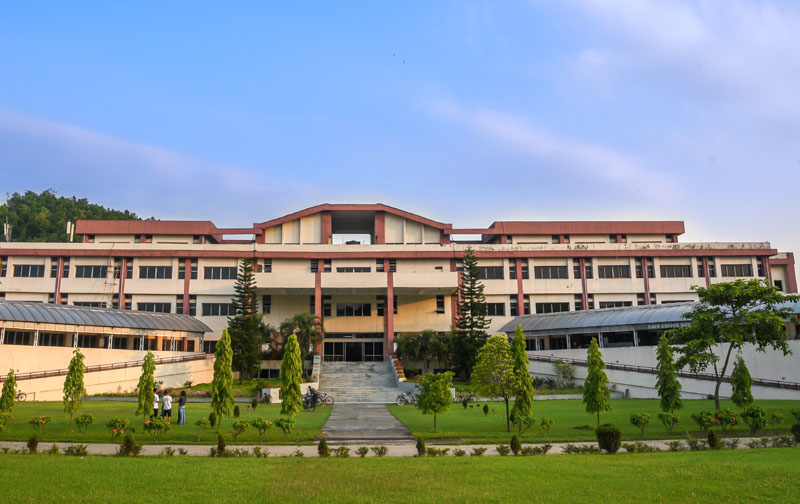 Urbanisation
With rapid urbanisation, industrial activities, and overuse of pharmaceuticals, water contamination is becoming a pressing issue, putting ecosystems and human health at risk worldwide.
Tetracyclines
Tetracyclines, is a class of antibiotics commonly used for pneumonia and respiratory infections. If it is not disposed properly, it can easily enter the environment contaminating the water which can result in antibiotic resistance and other health hazards, say sources from IIT Guwahati.
Similarly, Mercury, in its organic form, can cause cancer, neurological disorders, cardiovascular disease and other life-threatening conditions.
Detecting these pollutants accurately and quickly is essential to protect both water quality and public health, say IIT Guwahati researchers.
IIT Guwahati research team
To address this challenge, the IIT Guwahati research team has created nanosensor, a sensor built from extremely small materials that are a few billionths of a meter in size.
The developed sensor uses carbon dots that glow under ultraviolet light. In the presence of harmful substances such as Mercury or tetracyclines, the glow of these carbon dots dim, providing a quick and visible signal of contamination.
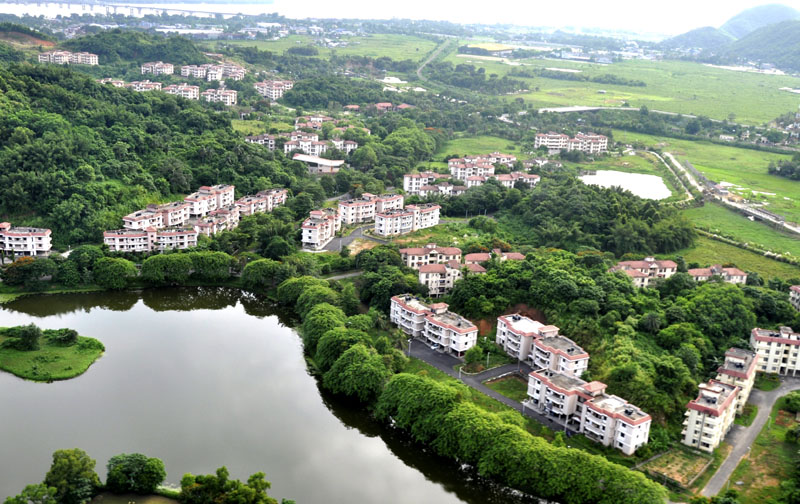 Department of Chemistry at IIT Guwahati
Prof. Lal Mohan Kundu, Professor, Department of Chemistry, IIT Guwahati said detection of pollutants such as Mercury and antibiotics is important, not only in water but also in biological fluids.
‘Mercury is highly carcinogenic. Excess antibiotics also pose adverse health consequences.’
This sensor can detect Mercury and tetracyclines at a very low concentration, said Prof Lal Mohan of IIT Guwahati.
We have been working with carbon dots for some time now. For this project, my research scholar Pallabi and Master’s student Anushka synthesized the carbon dots from low cost and biogenic precursor milk protein and thymine, a nucleobase, he said.
The sensor may also be used in biological systems. We chose carbon dots because of their nanoscale dimensions and inherent fluorescence property. This makes it a highly sensitive technique, said Prof Lal Mohan of IIT Guwahati.
Accurate results
On a laboratory scale, the developed sensor has demonstrated accurate results with a measurable dimming of its glow within less than 10 seconds of meeting harmful contaminants.
The sensor is extremely sensitive in mercury detection with just 5.3 nanomolar (1.7 parts per billion), which is below the safety standards set by the U.S. Environmental Protection Agency, and 10 – 13 nanomolar for Tetracycline antibiotics, say sources from IIT Guwahati.
Sensor testing
To ensure its versatile utility, the researchers have tested the sensor in a variety of environments such as tap and river water, milk, urine, and serum samples.
To enable quick and on-the-spot testing, the research team has coated the developed sensor in simple paper strips which can easily detect water contamination using an ultraviolet lamp.
Findings of the study
The findings of this study have been published in the prestigious journal Microchimica Acta, in a paper co-authored by Prof. Lal Mohan Kundu.
Novel sensor
The novel sensor developed by the IIT Guwahati research team not only provides a low-cost, and highly-accurate alternative to the conventional water testing, but its biocompatibility also holds the potential for broader biomedical applications in the future.
Disclaimer – The research described in this release is at a laboratory stage. The findings are subject to further validation and should not be interpreted as final or ready for commercial application.
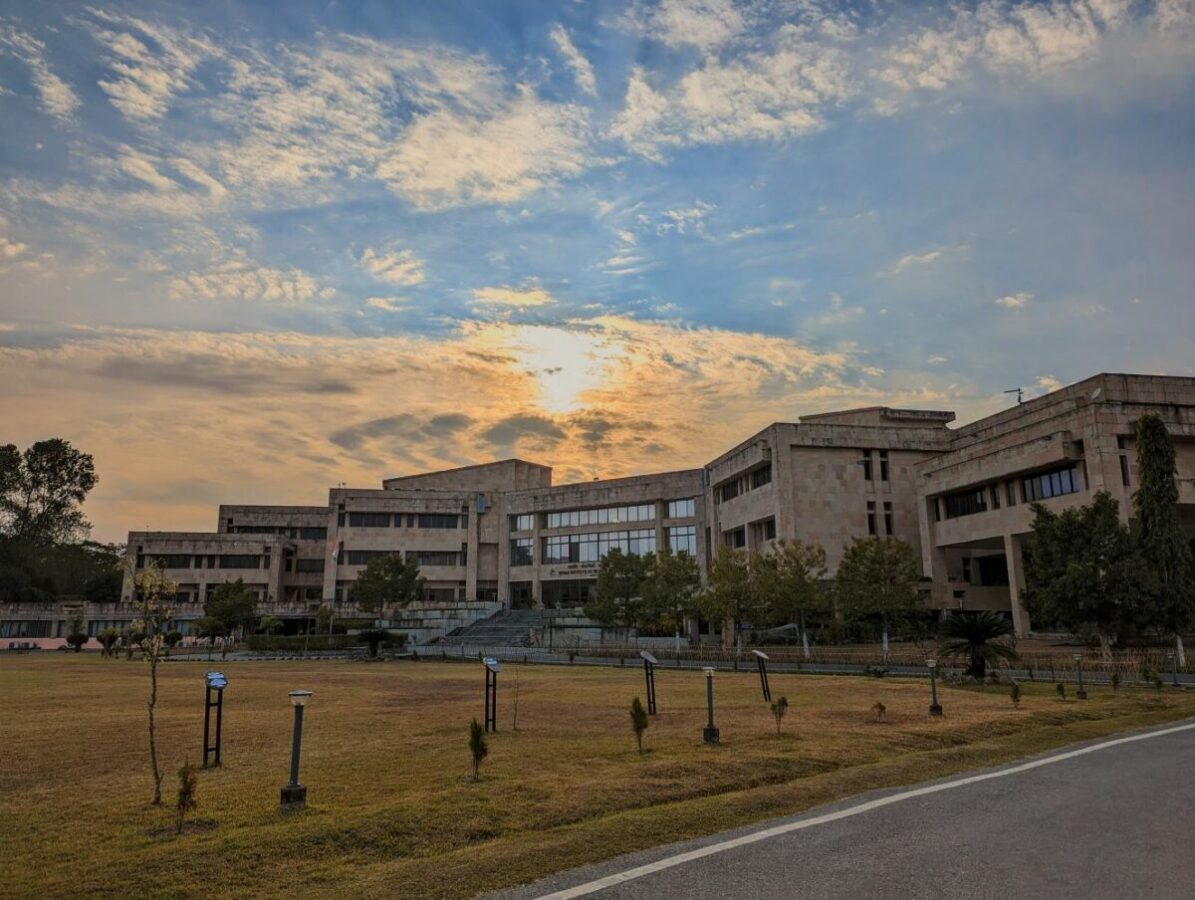 About IIT Guwahati
Indian Institute of Technology Guwahati, established in 1994, completed 25 years of glorious existence in 2019.
At present, the Institute has eleven departments, nine interdisciplinary academic centres and five schools covering all the major engineering, science, healthcare, management, and humanities disciplines, offering BTech, BDes, BSc(Hons), MA, MDes, MTech, MSc, MS(R), MBA and PhD programmes.
The institute offers a residential campus to 455 faculty members and more than 8,600 students at present.
Also Team – IIT Madras partners with great SBI Foundation
Next article
NSUT Admission 2026 guide eligibility, JEE Main entrance details, JAC Delhi counselling dates, selection process, cutoffs & documents