
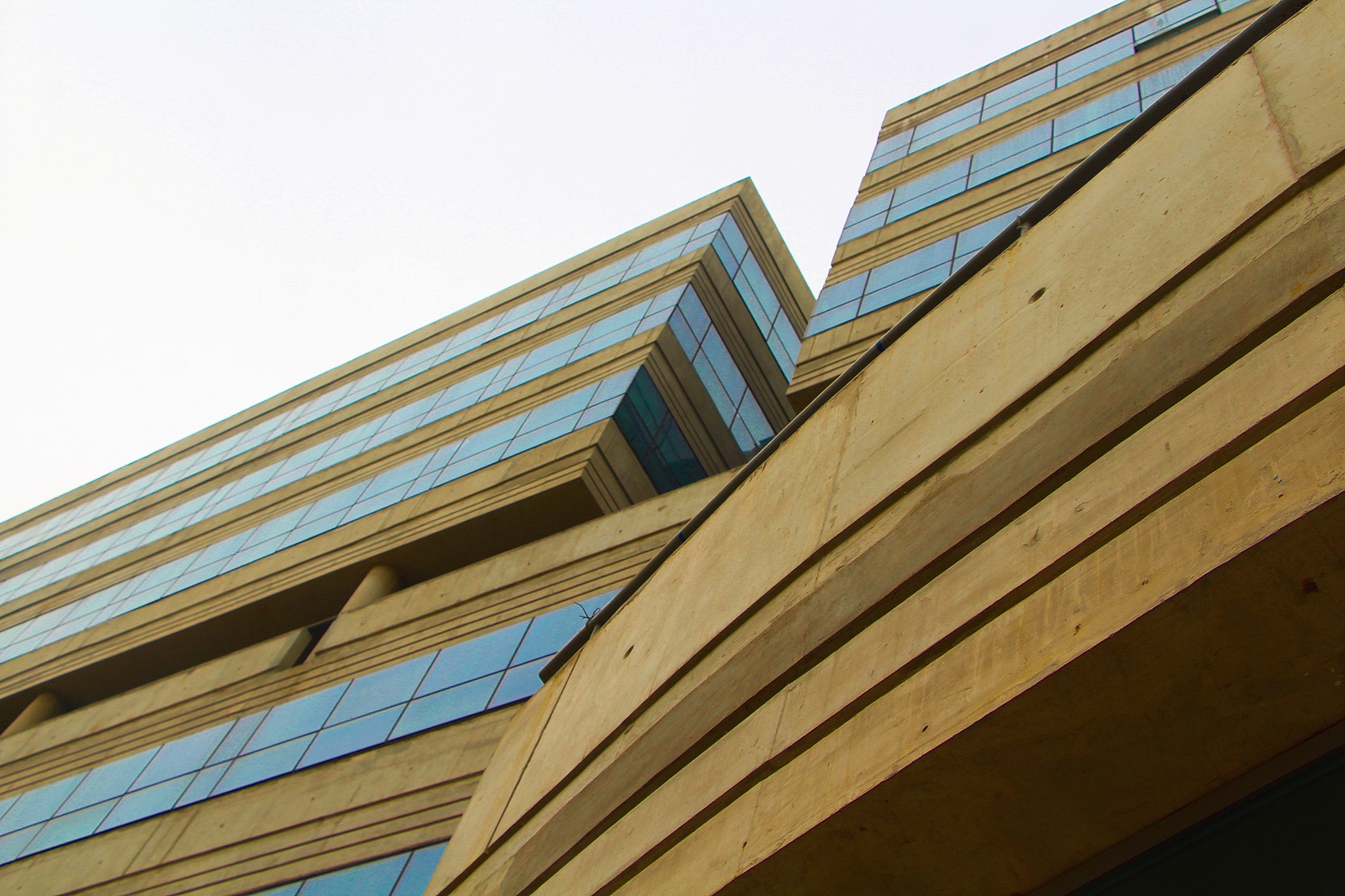
IIT Hyderabad has announced offering research fellowships for PhD in Heritage Science and Technology. Institution has signed a Memorandum of Understanding (MoU) with Sri Visweswara Yoga Research Institute (SVYRI) to offer this fellowship.
It is interesting to note that IIT Hyderabad is one of those educational institutions that has made a mark on higher education arena. It offers lot of courses at graduate and postgraduate level. The institution provides doctorate programmes also. Students who have the required educational qualifications can apply to study the courses at IIT Hyderabad.
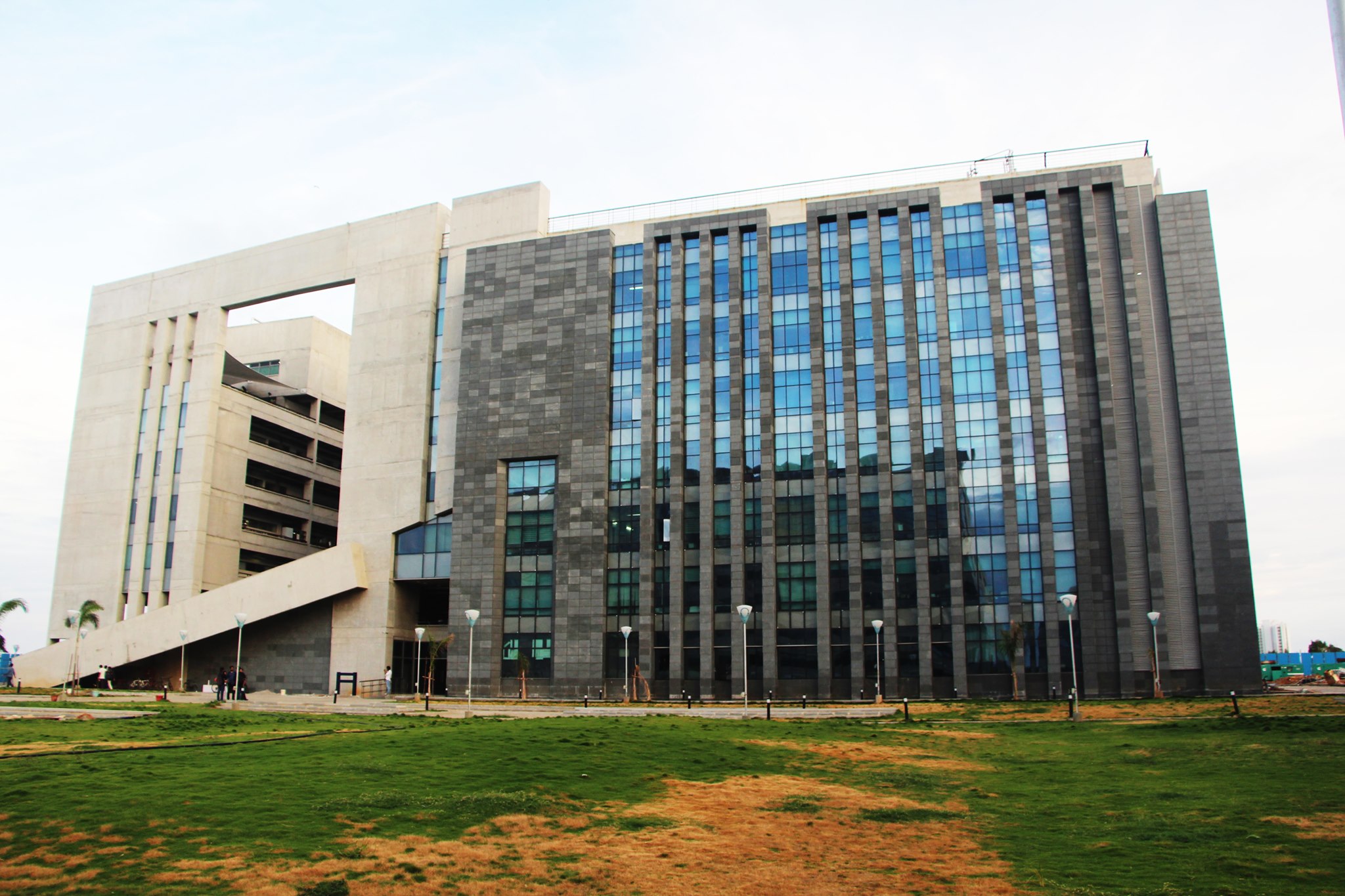
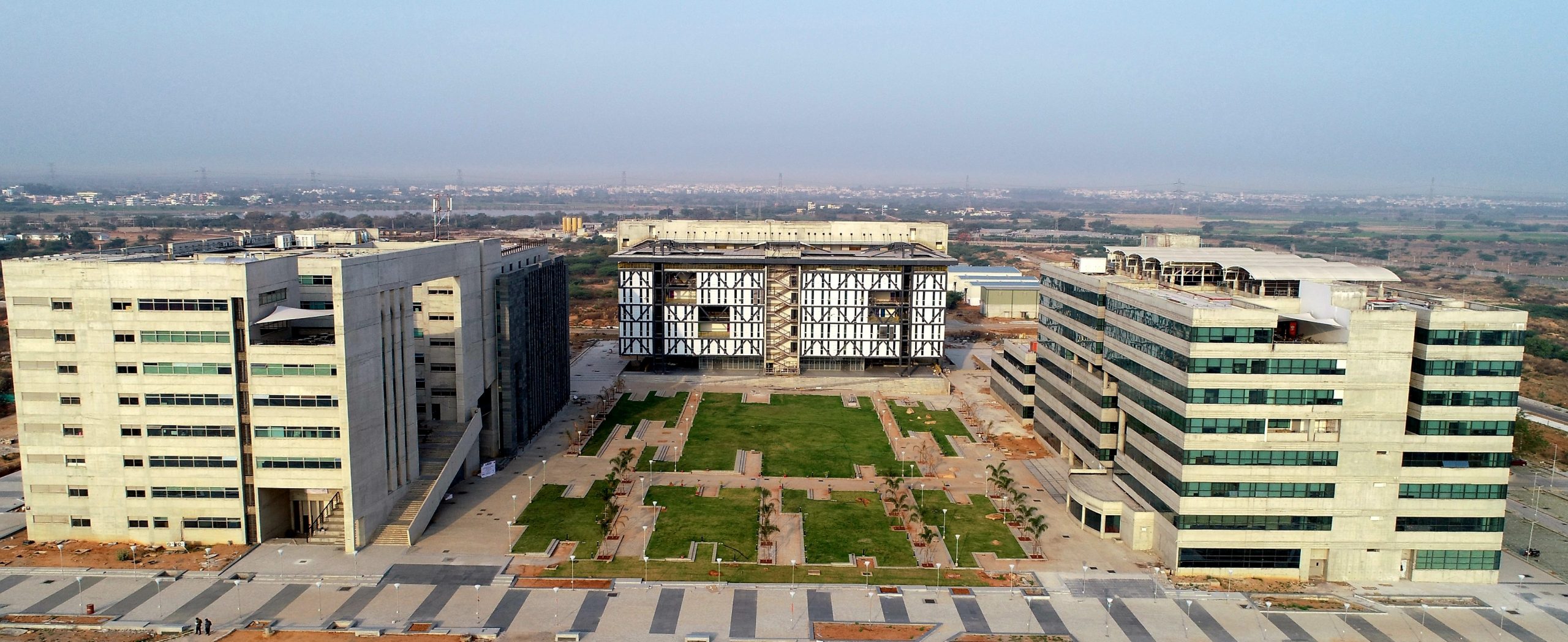
Indian Institute of Technology Hyderabad (IITH) which is popular as IIT Hyderabad is a premier institute of science and technology established in 2008. IIT Hyderabad has been consistently ranked in the top 10 institutes in India for Engineering according to NIRF making it one of the most coveted schools for science and technology in the country.
Who can apply for this PhD at IIT Hyderabad
Individuals who have completed their master’s in engineering – ME or MTech or master’s in science – MSc in the required discipline or discipline allied to the subject can apply. Applicants must also have a valid GATE score. Candidates who have not yet finished their qualifying examinations can also be considered with marks upto 7th semester or 3rd year (whichever relevant).
Application process and time
Students can submit application at any time during the year for this programme at IIT Hyderabad. Applications will be processed two times in a year. Submission of applications can be done after the notification is released at the appropriate time during the year.
Official website of IIT Hyderabad has to be visited after release of notification, required link is to be clicked and registration has to be done and an account comprising username and password has to be created. Post creation of account, candidates can login and submit applications.
Students can submit applications offline if the scope is made available. Applications can be acquired from the institution in person. Completed forms can be submitted at the organisation in person or they can be sent through post or courier.

Area of research
The research can be taken up in any area of science and technology that is applicable to aspects connected to the heritage of this country like yoga, ayurveda, dance, architecture, sculpture. Fellowship of Rs 75,000 (per month) will be provided, it will also cover expenses incurred on travelling to a destination abroad for presenting the results achieved in the respective area of research.
The PhD program in Heritage Science and Technology at IIT Hyderabad envisages development of researchers that can apply methods from science and technology in aforementioned domains and undertake challenges for the benefit of the society. The program is
designed to train candidates by a broad spectrum of course work in HST followed by research activity in diverse heritage domains. The areas where one can conduct research are mentioned below:
Instrumentation and Analytics for Yoga
Acoustics of instruments & Computational Music
Indian language technologies – OCR for epigraphy/manuscriptology, Indian language Text-2-speech, Automatic Speech recognition, Natural language processing
Heritage structures and conservation
ML and data science for Heritage databases & Indian knowledge systems
5D immersive Human-Computer-Interfaces for heritage and tourism technologies
S Vishnu Sharmaa now works with collegechalo.com in the news team. His work involves writing articles related to the education sector in India with a keen focus on higher education issues. Journalism has always been a passion for him. He has more than 10 years of enriching experience with various media organizations like Eenadu, Webdunia, News Today, Infodea. He also has a strong interest in writing about defence and railway related issues.
The wait is finally over. The Central Board of Secondary Education (CBSE) has declared the CBSE Class 12 Result 2026 today, May 13, 2026 — and millions of students across India are rushing to check their scorecards right now.
Whether you scored brilliantly, are anxious about a borderline result, or are trying to understand what those cryptic symbols on your marksheet mean — this guide covers everything you need to know in one place. From step-by-step instructions for checking your result to understanding pass criteria, symbols, grace marks, compartment dates, and what to do next, we’ve got you covered.
CBSE 12th Result 2026 — Quick Overview
Detail
Information
Board
Central Board of Secondary Education (CBSE)
Exam
Senior School Certificate Examination (Class XII)
Result Date
May 13, 2026
Result Time
~4:00 PM onwards
Total Students Appeared
~18.59 lakh
Overall Pass Percentage
85.20%
Official Website
results.cbse.nic.in / cbse.gov.in
Alternate Platforms
DigiLocker, UMANG App, IVRS
Highest Pass Region
Trivandrum (95.62%)
Official Websites to Check Your Result
CBSE provides multiple platforms to check results, especially given the massive server traffic during result declaration. Here are all the official links:
cbseresults.nic.in — Primary results portal
results.cbse.nic.in — Alternate results portal
cbse.gov.in — CBSE official website
digilocker.gov.in — For official digital marksheet
UMANG App — Mobile-based access
IVRS — Telephone-based result (for network issues)
Pro Tip: If the main website is down due to heavy traffic, go directly to DigiLocker or the UMANG app — they handle traffic better and give you an officially valid digital marksheet.
Step-by-Step Guide: How to Check CBSE 12th Result 2026 {#how-to-check}
Checking your result is straightforward. Keep your admit card handy before you begin — you’ll need it for your credentials.
Steps to check on cbseresults.nic.in:
Visit cbseresults.nic.in or results.cbse.nic.in
Click on “Senior School Certificate Examination (Class XII) Results 2026”
Enter your Roll Number
Enter your School Number
Enter your Admit Card ID
Enter the Security Pin (shown on screen)
Click “Submit”
Your result will appear — download and save a PDF copy
Credentials You Need:
Roll Number (on your admit card)
School Number (on your admit card)
Admit Card ID (on your admit card)
Date of Birth (may be required on some platforms)
How to Download Your Marksheet on DigiLocker
DigiLocker provides an official, government-valid digital marksheet — you can use it directly for college admissions without waiting for the physical copy.
Steps:
Go to digilocker.gov.in or open the DigiLocker app
Log in or create a free account using your Aadhaar-linked mobile number
Search for “CBSE” under Issued Documents
Click on “CBSE Class 12 Marksheet 2026”
Enter your roll number and the year (2026)
Click “Get Document”
Your marksheet will appear — download or share it directly
The digital marksheet from DigiLocker is legally equivalent to the original and is accepted by most universities and colleges for the admission process.
How to Check via UMANG App
The UMANG (Unified Mobile Application for New-age Governance) app is another reliable option when official websites are slow.
Steps:
Download the UMANG app from the Play Store or App Store
Search for “CBSE” in the services section
Select “Class 12 Result”
Enter your roll number and other required details
Submit to view your result
Understanding Symbols on Your CBSE Marksheet
This is one of the most confusing parts for students. Here’s a clear breakdown of every symbol and abbreviation you’ll see on your CBSE Class 12 marksheet:
Symbol / Abbreviation
Full Form
Meaning
P
Pass
Passed in the subject
F
Fail
Failed in the subject
A
Absent
Did not appear for the exam
UFM
Unfair Means
Used unfair means during the exam
C
Compartment
Failed in 1–2 subjects; eligible for compartment exam
E
Essential Repeat
Failed in 3+ subjects; must repeat the year
XX
Withheld
Result withheld due to pending dues or investigation
R
Result Later
Result will be announced later
SP
School Pass
Passed based on school-based assessment only
Q
Qualified
Qualified for next class
N
Not Graded
Marks not available for administrative reason
Grade Breakdown (CBSE Grading System)
Marks Range
Grade
Grade Point
91–100
A1
10.0
81–90
A2
9.0
71–80
B1
8.0
61–70
B2
7.0
51–60
C1
6.0
41–50
C2
5.0
33–40
D
4.0
21–32
E1
— (Fail)
0–20
E2
— (Fail)
Note: CBSE uses a 10-point grading scale for the final marksheet, but universities often ask for percentage equivalents during admissions. The standard CBSE formula is: Percentage = (CGPA × 9.5).
Pass Eligibility & Minimum Marks Required
To pass the CBSE Class 12 board exam 2026, students must meet the following criteria:
Minimum marks in each subject: 33% (in both theory and practical separately)
For subjects with practicals: 33% in theory portion AND 33% in practical/internal assessment portion — both are mandatory
Overall aggregate: 33% across all subjects
This criterion remains unchanged in 2026.
How Many Subjects Are Considered for the Pass Certificate?
CBSE considers 5 main subjects for passing. If a student has taken an additional sixth subject, it may replace the lowest-scoring compulsory subject — which can actually boost your percentage if you performed well in it. Ask your school about this option.
CBSE 2026 Pass Percentage & Key Statistics
Here are the major highlights of CBSE Class 12 Result 2026:
Overall Pass Percentage: 85.20%
Girls Pass Percentage: 88.86%
Boys Pass Percentage: 82.13%
Gender gap: Girls outperformed boys by 6.73%
Highest Pass Region: Trivandrum at 95.62%
Total Students Appeared: ~18.59 lakh (approx. 10.27 lakh boys, 8.31 lakh girls)
Exam Duration: February 17 to April 10, 2026
Total Exam Centres: 7,574 across India
Girls have consistently outperformed boys in CBSE Class 12 exams, and 2026 continues that trend with a notable 6.73% gap in pass percentage.
What is On-Screen Marking (OSM)?
A major change in evaluation this year was the expanded use of On-Screen Marking (OSM) — a system where answer sheets are scanned and checked digitally by examiners on computer screens rather than physically.
Benefits of OSM:
Reduces human error in marking
Faster and more efficient moderation
Better audit trail for re-evaluation
Reduces chances of answer sheet getting lost
CBSE has been gradually rolling out OSM since 2024 and significantly expanded it in 2026. While it slightly affected the result timeline during moderation, it marks a positive step toward transparent and accurate evaluation.
Re-evaluation & Verification of Marks
Not satisfied with your score? CBSE offers two options:
Option 1: Verification of Marks
CBSE checks if all questions were evaluated and marks totalled correctly
This does not involve re-checking the answers
Application is done online on the CBSE website after the result
A small fee applies per subject
Option 2: Photocopy of Answer Sheet
Students can request a photocopy of their evaluated answer sheet
After reviewing it, they can apply for re-evaluation if they find a genuine discrepancy
Re-evaluation timelines are usually announced 1–2 weeks after results
Check the official CBSE website for exact fees and deadlines once they are announced.
Important Dates After the Result
Event
Expected Timeline
CBSE 12th Result 2026
May 13, 2026 (Declared)
Original Marksheet Distribution
Via schools (within weeks)
Mark Verification Application
~2 weeks after result
Compartment Exam Registration
June 2026 (approx.)
Compartment Exam
July 2026 (approx.)
Compartment Result
August 2026 (approx.)
College Admission Season
June–September 2026
Keep checking the cbse.gov.in official website for exact notification dates.
Conclusion
The CBSE Class 12 Result 2026 is a milestone that every student and parent has been waiting anxiously for. Whether the result brought joy, relief, or disappointment — what matters most is what you do next.
If you passed, congratulations! Begin your college research early and keep your DigiLocker marksheet ready for applications. If you’re placed in compartment, remember it’s a second chance that thousands of students have used successfully to move forward. And if things didn’t go as planned, CBSE’s re-evaluation process exists for a reason — use it if you genuinely feel your paper was not assessed correctly.
Stay calm, act fast, and make your next move count.