
IIT Jodhpur comes up with great new innovation
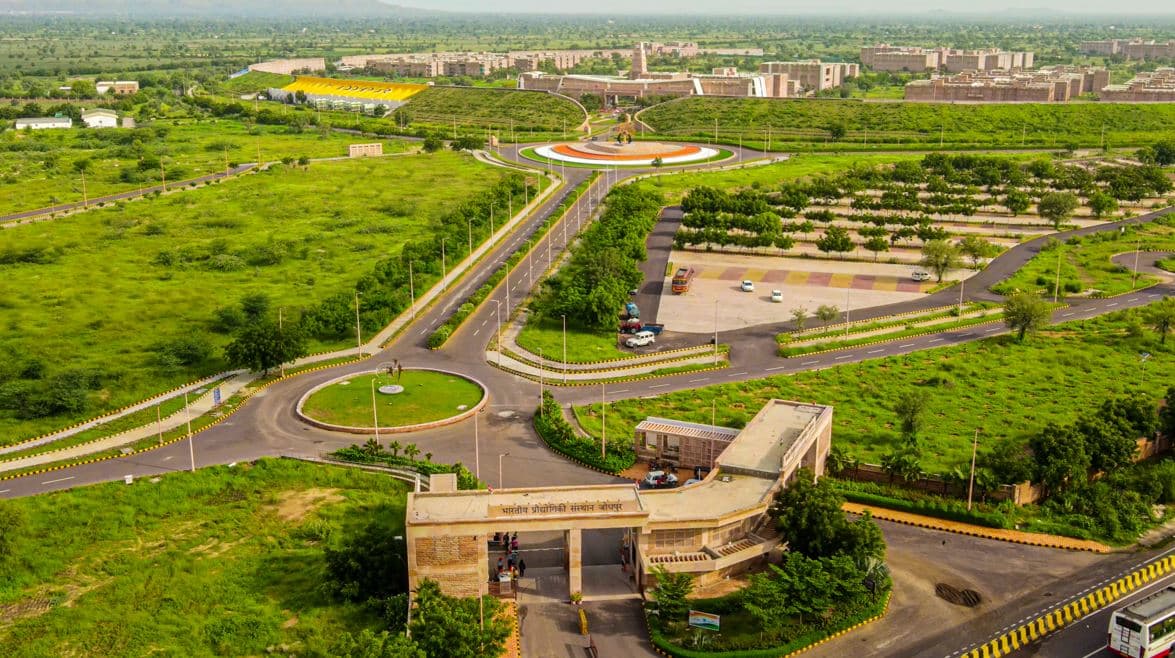
IIT Jodhpur has unveiled a pioneering technique for treating wastewater from the textile dyeing industry, notorious for releasing harmful substances like azo dyes into the environment.
This new method leverages environmentally friendly far ultraviolet (UV) light at 222 nm, offering significant advantages over conventional mercury-based UV light at 254 nm, say sources from IIT Jodhpur.

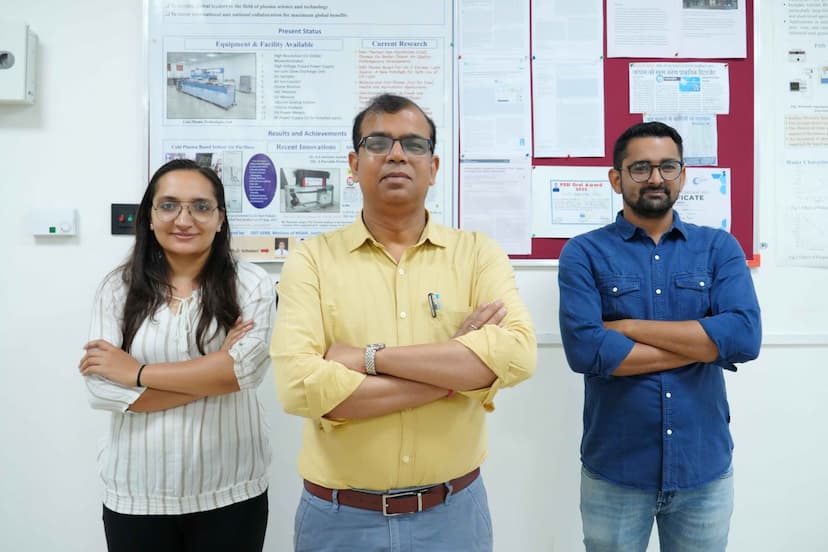
Effective treatment of this wastewater is crucial to prevent environmental pollution and promote sustainable water reuse, say sources from IIT Jodhpur.
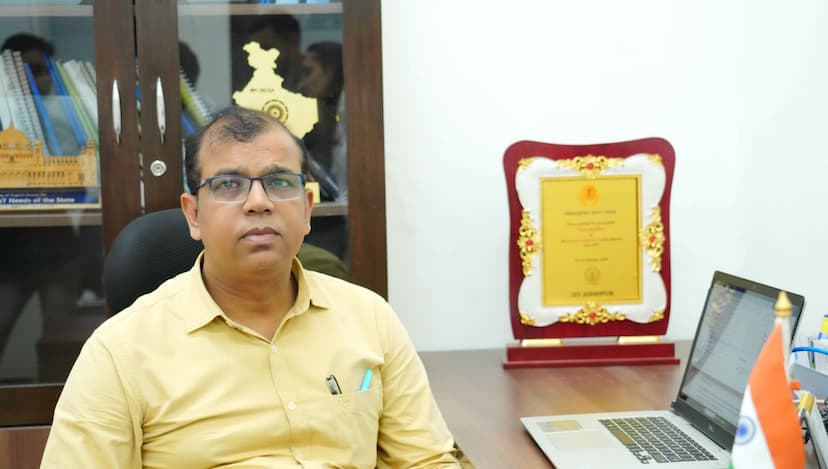
The Solution: Researchers at IIT Jodhpur, led by Dr. Ram Prakash, Professor in the Department of Physics, along with PhD students Ms. Kiran Ahlawat and Mr. Ramavtar Jangra, have developed a novel approach using a 222 nm Kr/Cl2 excimer UV light source.
Their method has shown remarkable effectiveness in breaking down Reactive Black 5 (RB5), a common dye in textile wastewater.

The study, published recently in Nature:
Scientific Reports (https://doi.org/10.1038/s41598-024-63012-z), explored both direct photolysis and an advanced oxidation process (AOP) using titanium dioxide (TiO2) and hydrogen peroxide (H2O2), say sources from IIT Jodhpur.
The degradation rate of RB5 was found to be approximately 27 times faster with their designed excimer-222 light and H2O2 AOP compared to conventional UV-C based methods, say sources from IIT Jodhpur.
Key Findings
# Enhanced Absorption: The higher molar absorption coefficient of RB5 dye at 222 nm significantly improves degradation efficiency.

# Energy Efficiency: The 222 nm UV light and H2O2 process is five times more energy-efficient than using TiO2, making it more sustainable and cost-effective.
# Optimal Conditions: The highest degradation rates were achieved at an alkaline pH of 10, which is typical for textile wastewater, eliminating the need for pH adjustment.
# Degradation Pathway: Advanced analytical techniques established a detailed pathway for RB5 degradation under 222 nm UV light.
# Environmental Impact: The mercury-free UV lamps and the non-toxic nature of the treated water make the process environmentally friendly and suitable for reuse in agriculture, say sources from IIT Jodhpur.

Broader Implications
This innovative method offers several benefits over conventional wastewater treatment techniques:
# Eco-Friendly: Avoids hazardous chemicals and eliminates the need for catalyst recovery.
# Energy Saving: Significantly reduces energy consumption.
# Scalable: Can be scaled up for industrial applications, providing a viable solution for the global textile industry.
# Eco-Friendly: Avoids hazardous chemicals and eliminates the need for catalyst recovery.
Energy Saving: Significantly reduces energy consumption.
# Scalable: Can be scaled up for industrial applications, providing a viable solution for the global textile industry.
Future Directions
The team at IIT Jodhpur plans to conduct further research to optimize the process and explore its application in real-world industrial settings.
Additionally, they aim to investigate the use of far UV-C light for other environmental cleanup operations and sustainable agricultural practices.
About IIT Jodhpur
| Indian Institute of Technology Jodhpur was established in 2008, to foster technology education and research in India. The Institute is committed to technological thought and action to benefit the economic development of India. Scholarship in teaching and learning; Scholarship in research and creative accomplishments; and relevance to Industry are three driving forces for us at IIT Jodhpur. |
| IIT Jodhpur functions from its sprawling residential Permanent Campus of 852 acres on National Highway 65, north-northwest of Jodhpur towards Nagaur. This campus is meticulously planned and envisioned to stand as a symbol of academics – simple, but deep. |
The Institute is committed to multidisciplinary approach of technology development.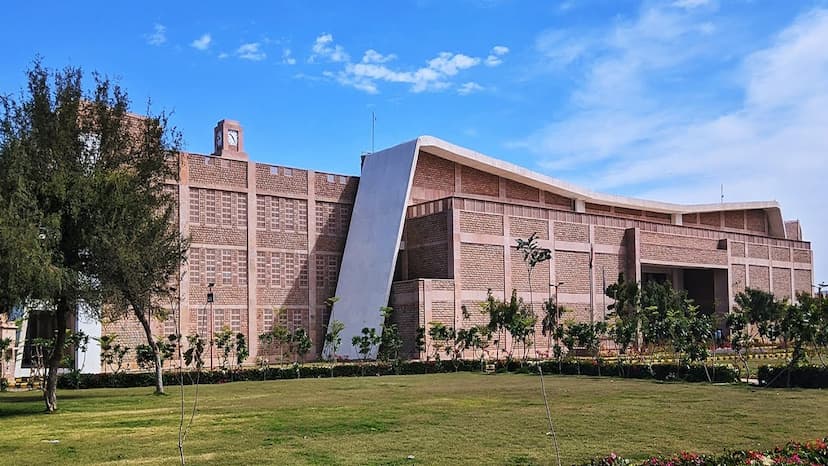
 S. Vishnu Sharma S Vishnu Sharmaa now works with collegechalo.com in the news team. His work involves writing articles related to the education sector in India with a keen focus on higher education issues. Journalism has always been a passion for him. He has more than 10 years of enriching experience with various media organizations like Eenadu, Webdunia, News Today, Infodea. He also has a strong interest in writing about defence and railway related issues. Related News Thirumurugan Sets Up Blockbuster Final as SRM Shines in TNTA Inter-College Tennis SRMIST’s Sadhana Fenelon Wins Bronze in National Badminton Tournament LPU Admission 2026: Fees, Dates, Courses & Eligibility, courses, and selection criteria. Everything you need before applying. Gorakhpur University Dual MBA 2026: UP’s First India-Malaysia MBA Programme Explained eligibility, dates, fees, Anna University launches a 42-credit PG Diploma in Climate Change & Sustainability for Tamil Nadu’sICYF International Media Training Camp 2026: Fully Supported Journalism Opportunity in Türkiye Published at : 22 Aug 2026, 10:45 AM IST Updated at : 22 Aug 2026, 10:45 AM IST Author – Ritesh Ranjan: Young media enthusiasts aged 18–25 can learn digital storytelling, journalism ethics and mobile reporting in Antalya The ICYF International Media Training Camp 2026 is inviting young people interested in journalism, digital storytelling and media production to participate in a six-day training programme in Antalya, Türkiye. Organised by the Islamic Cooperation Youth Forum (ICYF) in cooperation with the Ministry of Youth and Sports of Türkiye, and in partnership with TRT Journalism for Juniors and FOKUS PLUS, the camp aims to prepare a new generation of responsible media professionals. Applications are open until 30 August 2026, 23:59 Istanbul time (GMT+3). The official ICYF announcement lists the application platform as the place to verify requirements and submit forms. Camp dates and locationThe programme will be held at Alaaddin Keykubat Gençlik Kampı in Antalya. To accommodate participants, the camp will take place in two groups:
The training is designed for young people who want to strengthen their media skills while meeting peers from different countries and cultural backgrounds. Participants may learn about digital reporting, mobile journalism, ethical communication, research, storytelling and responsible use of online platforms. What the programme coversThe ICYF Media Training Camp is described as a supported international youth programme. Organisers will provide:
International participants will be eligible for reimbursement of travel costs up to US$250, while participants living in Türkiye may receive up to 3,500 Turkish lira for domestic transport. Travel reimbursement may require participants to pay expenses in advance, so applicants should carefully review the official terms before making travel arrangements. Visa fees remain the participant’s responsibility, although ICYF may issue a confirmation or invitation letter to support the visa application process. Eligibility requirementsApplicants generally must:
Previous participation in an ICYF media camp may affect eligibility, so applicants should confirm this condition in the official application guidelines. How to applyCandidates must complete an online application form. They may be asked to provide personal and educational details, emergency contact information, social media links, media experience and a motivation statement. Applicants should explain why they want to join the camp and how they plan to use the skills gained after returning home. Selected candidates may be invited for an online interview. Final participants will receive confirmation and additional programme details by email. Building ethical media leadersThe camp is not only designed to teach technical skills. Its broader goal is to develop young communicators who can assess information critically, understand media ethics and use storytelling to create positive social impact. In an era of misinformation, deepfakes and rapidly changing digital platforms, responsible journalism requires both creativity and accuracy. The ICYF International Media Training Camp 2026 offers young participants an opportunity to develop those qualities while building an international network. Interested applicants should submit their forms before the 30 August deadline and verify all funding, eligibility and travel conditions through the official ICYF platform. ConclusionThe ICYF International Media Training Camp 2026 in Antalya, Türkiye is a valuable opportunity for young people who want to build practical skills in journalism, digital storytelling, mobile reporting and ethical communication. With accommodation, meals, local transportation, health insurance and partial travel reimbursement provided by the organisers, the programme makes international media training more accessible to eligible participants. Beyond technical learning, the camp also allows young media enthusiasts to connect with peers from different countries and understand the importance of responsible journalism in the digital age. Eligible applicants aged 18–25 should carefully review the official requirements, funding conditions and travel policies before submitting their application by 30 August 2026. FAQs1. What is the ICYF International Media Training Camp 2026?The ICYF International Media Training Camp 2026 is a six-day international youth programme in Antalya, Türkiye, focused on journalism, digital storytelling, mobile reporting, media ethics and responsible communication. 2. Who can apply for the ICYF Media Training Camp 2026?Applicants generally need to be 18–25 years old, have strong English-language skills, and be citizens of an OIC member country or members of a Muslim minority community in a non-OIC country. They should also demonstrate an interest in journalism, media, storytelling, research or community engagement. 3. Is the ICYF International Media Training Camp 2026 fully funded?The programme provides major expenses including accommodation, meals, local transportation, health insurance and a cultural tour. International participants may receive travel reimbursement of up to US$250, while eligible participants living in Türkiye may receive up to 3,500 TRY for domestic travel. Visa fees are generally not covered. 4. When and where will the ICYF Media Training Camp 2026 take place?The programme will be held at Alaaddin Keykubat Gençlik Kampı in Antalya, Türkiye. The young men’s camp is scheduled for 16–21 October 2026, while the young women’s camp will take place from 28 October–2 November 2026. 5. What is the application deadline for the ICYF International Media Training Camp 2026?The application deadline is 30 August 2026 at 23:59 Istanbul time (GMT+3). Applicants should submit the online application before the deadline and verify all requirements through the official ICYF application platform. Related NewsThirumurugan Sets Up Blockbuster Final as SRM Shines in TNTA Inter-College TennisSRMIST’s Sadhana Fenelon Wins Bronze in National Badminton TournamentLPU Admission 2026: Fees, Dates, Courses & Eligibility, courses, and selection criteria. Everything you need before applying.Gorakhpur University Dual MBA 2026: UP’s First India-Malaysia MBA Programme Explained eligibility, dates, fees,Anna University launches a 42-credit PG Diploma in Climate Change & Sustainability for Tamil Nadu’sExam NewsNEET UG 2026 Result Declared: 11.21 Lakh Qualify; Aryan Gupta and Panshul Bansal Score 71517 Jul, 2026 CBSE Class 10 Second Board Result 2026 Expected Soon: Phase 2, Improvement and Supplementary Result Updates11 Jul, 2026 WBJEE 2026 Round 1 Seat Allotment Result Today: Check Allotment Status, Fee Payment and Admission Process7 Jul, 2026 Re-NEET UG 2026 Result Expected on or Before July 20; NTA Likely to Keep Medical Admission Schedule on Track6 Jul, 2026 Featured NewsPandit Deendayal Upadhyaya Telecom Excellence Awards 2024: Apply by September 30 at awards.gov.in12 Aug, 2024 Top 20 Management Colleges in Telangana12 Aug, 2024 Top 20 Colleges for Psychology in India11 Aug, 2024 Top IITs Launch Future-Proof Courses : New Tech-Savvy Courses in 202411 Aug, 2024 Hindenburg Research: A Crucial Study for Commerce Students10 Aug, 2024 College NewsThirumurugan Sets Up Blockbuster Final as SRM Shines in TNTA Inter-College Tennis18 Jul, 2026 SRMIST’s Sadhana Fenelon Wins Bronze in National Badminton Tournament17 Jul, 2026 LPU Admission 2026: Fees, Dates, Courses & Eligibility, courses, and selection criteria. Everything you need before applying.8 Jul, 2026 Gorakhpur University Dual MBA 2026: UP's First India-Malaysia MBA Programme Explained eligibility, dates, fees,2 Jul, 2026 |
