

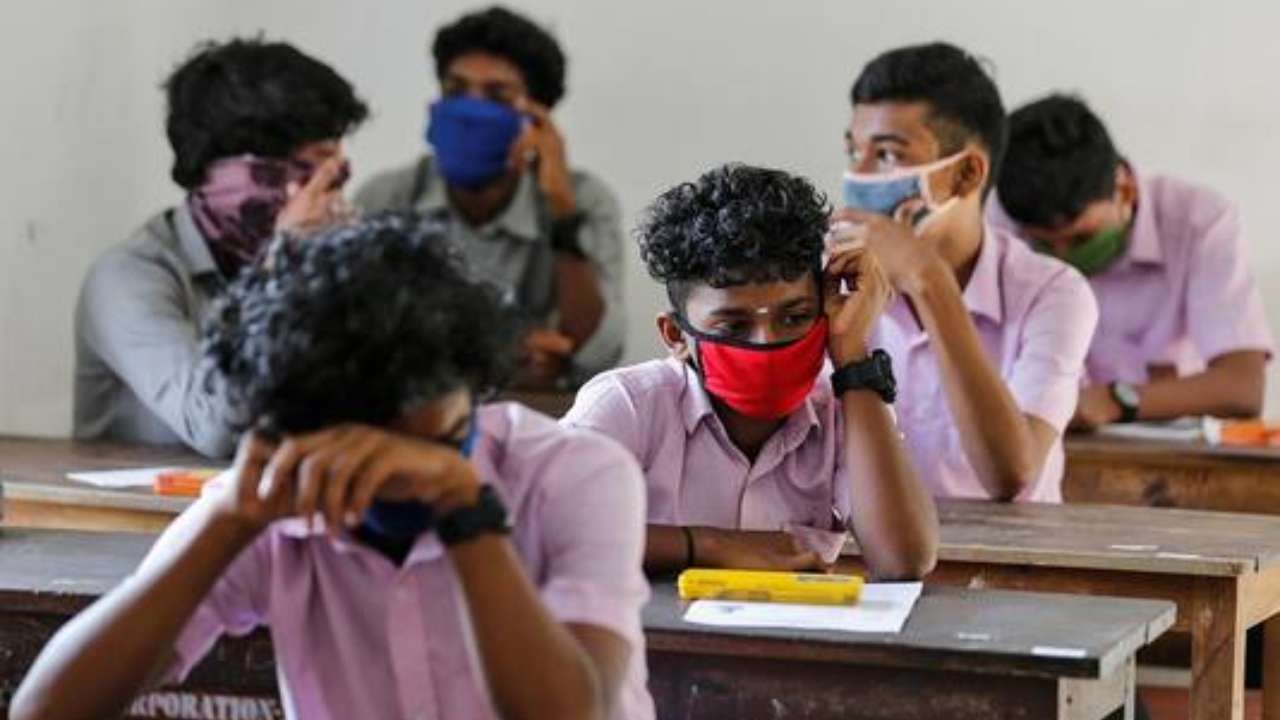
JEE Mains 4th edition is making news around the corner regarding its dates again. NTA, the National Testing Agency has opened the windows again for the submission of JEE Main 2021 application form. It is reopened for the fourth session of the JEE Mains 2021.
The dates on which the windows were open was from August 9 to 11. The application form for the JEE Mains 4th edition is available on the official website of NTA. Their website is jeemain.nta.nic.in. The exam dates for the JEE Mains 4th edition are August 26, 27, 31, September 1 and 2.
The previous dates for the JEE Mains 4th edition application were from July 9 to 20. The application process of phase 3 for the same was open from July 6 to 8. The process of filling the application form of JEE Mains 4th edition through the online mode includes filling in the registration form, uploading required documents, and paying the application fee.
But, before filling the application form, the candidates must read the eligibility correctly. If the candidates are not eligible for the exams, they will not be allowed to give them. The students of class 12 science stream are eligible to apply for JEE Main 2021 to get admission in B.Tech./B.E, B.Arch courses. If the students fail to submit the application form before the last date ends, they wouldn’t be able to give their exams.
Check out this article to know about UPSC CDS 11 Examinations.

Process to Register
- The process to register for the JEE Mains 4th edition is pretty simple. Visit the official website of NTA (mentioned above).
- Register for the exam
- Fill up your details
- Upload the required documents
- Pay the application fee for the exam.
- Book your slot
- Submit the form
- Take a printout of the form for your reference
Documents required for the JEE Mains 4th edition
As mentioned above, the students would require some documents for the JEE Mains 4th edition. Here are the documents listed below that you will need to upload.
- The category certificates.
- The scanned photograph images
- A digital signature image
- Debit card/Internet banking details for the application fee
- Any photo id proof.
Application Form Fee
The application fee for the general/OBC/EWS category is Rs 650 for the boys and Rs 325 for the girls.
The application fee for the SC/ST/PWD/Transgender category is Rs 650 for all.
How to Check Status of JEE Main Application Form 2021?
To check the status of the application form of JEE Mains 4th edition, the students just have to fill in the correct email address in the form itself. They will start receiving messages on their mails and phone numbers themselves. Another way to see the application status is by just logging in to the website and checking there. All the application details get displayed on the screen.
What type of exam is JEE Mains
JEE Mains is the Joint Entrance Exam which is a National Level Examination. NTA conducts this examination. This exam is organised for the engineering students to get admissions in the institutes like NITs, IIITs and IITs. This exam gets conducted for admissions in subjects like B.E/ B. Tech, B. Arch & B.Plan.
Preparation Tips for the exam
To prepare for the JEE Mains 4th edition exams, here is a small preparation tips list.
- Get ready for the preparation with the entire syllabus laid in front of you.
- Know the exam pattern for the JEE Mains 4th edition exams.
- Get all your books, journals, and articles ready.
- Make a timetable and schedule the subjects as per the time slots and time duration for each subject.
- Practise mock tests and previous year’s question papers
- Do not touch any new topics during the last month.
- Make sticky notes of the topics that you keep forgetting.
- Relax during the last week and do not shake your confidence.