Chhattisgarh, known for its rich cultural heritage and natural beauty, is also emerging as a hub for higher education in agriculture. The state offers a variety of institutions that provide advanced education in agricultural sciences.
Top 20 MSc Agriculture Colleges in Chhattisgarh
This article will delve into the top 20 MSc Agriculture colleges in Chhattisgarh, highlighting their unique features, academic excellence, and career prospects.
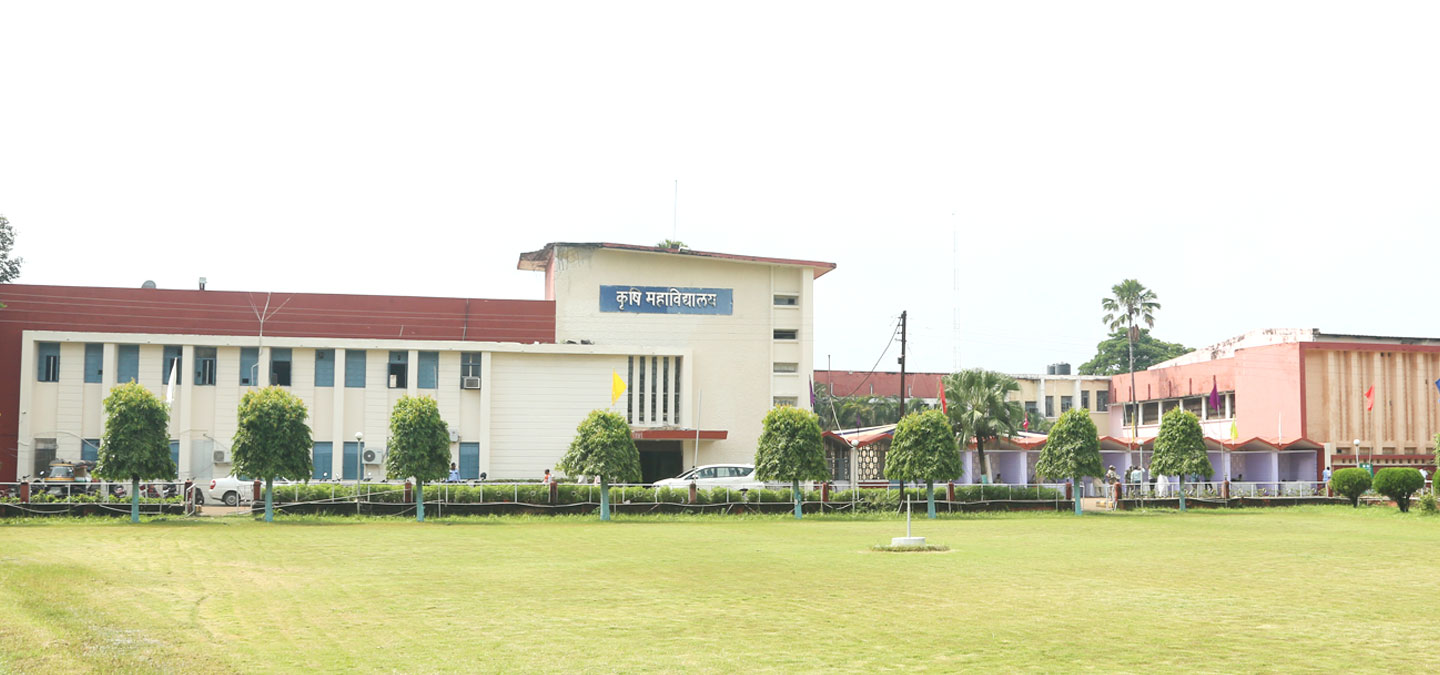
Indira Gandhi Krishi Vishwavidyalaya is a premier agricultural university in Raipur, Chhattisgarh. Established to cater to the agricultural needs of the state, IGKV offers a wide range of postgraduate programs, including an MSc in Agriculture.
CGKV, located in Durg, focuses on veterinary and animal sciences, but it also offers an MSc in Agriculture with specialized courses in agronomy, horticulture, and plant breeding.
3. College of Agriculture, Raipur
Affiliated with IGKV, the College of Agriculture in Raipur is one of the oldest and most prestigious agricultural colleges in Chhattisgarh. It offers comprehensive MSc programs in various agricultural disciplines.
4. Dau Shri Vasudev Chandrakar Kamdhenu Vishwavidyalaya, Durg
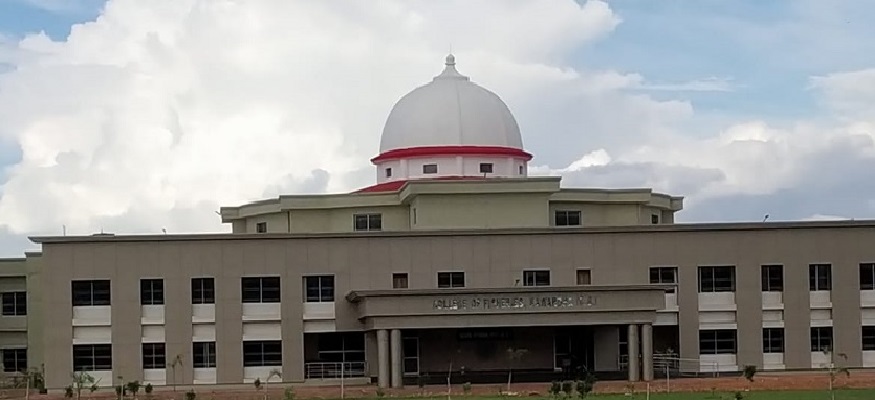
This university, also known as Kamdhenu Vishwavidyalaya, provides a robust MSc Agriculture program focusing on sustainable agricultural practices and modern techniques.
5. Pt. Kishori Mohan Tripathi Government PG College, Bilaspur
This government college offers an MSc in Agriculture with a curriculum designed to meet the evolving needs of the agricultural sector. The college emphasizes both theoretical knowledge and practical skills.
SSTC, known for its technical and management programs, also offers an MSc Agriculture, integrating advanced technology with traditional agricultural practices.
7. Government Nagarjuna PG College of Science, Raipur
This college, affiliated with Pt. Ravishankar Shukla University offers an MSc Agriculture with a strong focus on research and development in agricultural sciences.
8. Surguja University, Ambikapur
Surguja University offers an MSc in Agriculture with specializations in areas such as agronomy, soil science, and agricultural extension.
9. MATS University, Raipur
MATS University provides a multidisciplinary approach to agricultural education with its MSc program. The university is known for its excellent faculty and modern infrastructure.
10. Disha Institute of Management and Technology, Raipur
Disha Institute offers an MSc in Agriculture with a focus on integrating management principles with agricultural practices to create a new generation of agripreneurs.
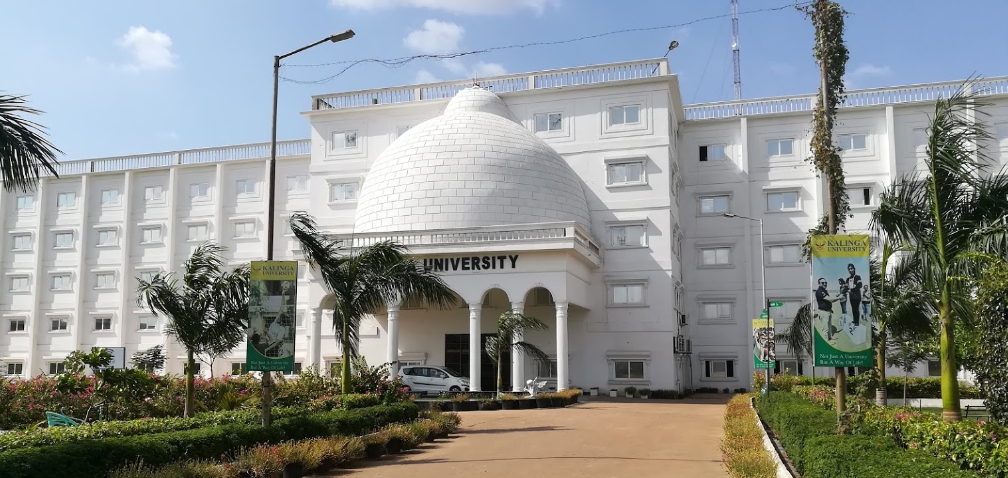
11. Kalinga University, Raipur
Kalinga University offers a well-rounded MSc Agriculture program that combines traditional agricultural techniques with modern innovations and research.
12. ISBM University, Gariyaband
ISBM University offers an MSc in Agriculture with a curriculum designed to address contemporary challenges in agriculture through research and innovation.
13. CV Raman University, Bilaspur
CV Raman University offers an MSc in Agriculture with a comprehensive curriculum that includes courses in agronomy, soil science, and plant protection.
14. Dr. C.V. Raman University, Khandwa
Another branch of Dr. C.V. Raman University, the Khandwa campus offers a specialized MSc Agriculture program with a focus on innovative agricultural practices.
15. OP Jindal University, Raigarh
OP Jindal University offers an MSc in Agriculture, aiming to provide students with advanced knowledge and skills to meet the demands of the modern agricultural sector.
16. Amity University, Raipur
Amity University offers a well-structured MSc Agriculture program with a focus on research, innovation, and sustainable agricultural practices.
17. Kalyan PG College, Bhilai
Kalyan PG College offers an MSc in Agriculture with a curriculum designed to provide students with both theoretical knowledge and practical skills in agricultural sciences.
18. Sant Gahira Guru Vishwavidyalaya, Sarguja
This university offers an MSc in Agriculture with specializations in various agricultural disciplines, aiming to provide students with comprehensive education and research opportunities.
19. Swami Vivekanand Technical University (SVTU), Bhilai
SVTU offers an MSc in Agriculture with a focus on integrating advanced technology with traditional agricultural practices.
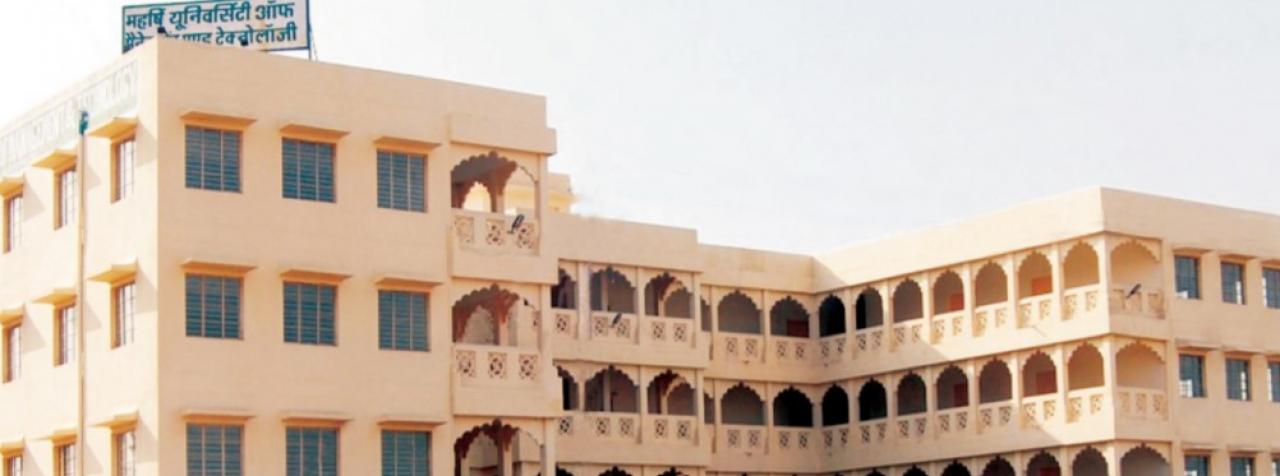
20. Maharishi University of Management and Technology (MUMT), Bilaspur
MUMT offers an MSc in Agriculture with a curriculum designed to address contemporary challenges in agriculture through research and innovation.
Conclusion
Chhattisgarh is home to a diverse array of institutions offering top-notch MSc Agriculture programs. These colleges and universities are equipped with modern facilities, experienced faculty, and robust research opportunities, ensuring that students receive a well-rounded education.
Pursuing an MSc Agriculture from one of these top 20 colleges in Chhattisgarh can open doors to numerous career opportunities in academia, research, agribusiness, and beyond. Whether you are interested in agronomy, horticulture, soil science, or agribusiness management, Chhattisgarh provides ample opportunities to advance your knowledge and career in agriculture.
Vani Jha is a creative content writer with over 2 years of experience in producing engaging, informative, and well-researched content across various domains. Her expertise lies in SEO, research, editing, and content and copywriting. With a proven track record in enhancing online presence and audience engagement, Vani excels in crafting compelling articles, blogs, and other written materials.
If you scored a rank in JEE Main, CUET UG, or NATA this year and you’re hoping to study in a government or private engineering college in Uttar Pradesh, there’s a good chance your admission depends on one process: UPTAC Counselling 2026.
And here’s the thing — the schedule has changed more than once this season. Dr. A.P.J. Abdul Kalam Technical University (AKTU), which runs UPTAC on behalf of the Uttar Pradesh Technical Education Department, has revised the counselling calendar for BTech, integrated MTech, and BDes admissions, pushing choice filling and later rounds by nearly two weeks compared to the original plan.
If you’re feeling a bit lost trying to keep track of which date is current and which one is old news, you’re not alone. In this guide, we’ll walk you through:
The latest revised UPTAC 2026 schedule (registration to reporting)
Who is eligible to apply
Documents you’ll need ready
A round-by-round breakdown of how the process works
Practical preparation tips and common mistakes to avoid
What Is UPTAC Counselling 2026?
UPTAC stands for Uttar Pradesh Technical Admission Counselling. It’s the centralized counselling system conducted by AKTU, Lucknow, for admission into:
Integrated MTech and integrated MBA/MCA programmes
Second-year (lateral entry) admissions to BTech, BPharm, and MCA
Admissions run on scores from national-level exams like JEE Main (for BTech), CUET UG (for BDes, BCA, BBA, and similar courses), and NATA (for BArch). Instead of applying separately to each college in UP, candidates register once on the UPTAC portal, fill their college and branch preferences, and get seats allotted purely on merit, category, and seat availability — which makes the process fairer and far less confusing than scattered individual admissions.
Why the Schedule Was Revised
AKTU released an initial UPTAC 2026 schedule in May, with round 1 choice filling originally expected to start around July 4. That date got postponed, and the university subsequently issued a revised schedule, pushing round 1 choice filling to July 13–16, 2026.
This kind of shift is fairly common in state-level counselling — it usually happens because:
Document verification for a large volume of registrations takes longer than planned
Query resolution deadlines get extended so genuine applicants aren’t disqualified over minor document issues
Coordination with JEE Main and CUET result timelines needs adjustment
The takeaway for you: treat every date as provisional until you see it confirmed on the official UPTAC portal, and always check the notice section before you plan around a specific day.
UPTAC Counselling 2026: Revised Dates
Here is the schedule as revised and released by AKTU. Because further tweaks are possible, always cross-check with uptac.samarth.edu.in closer to each date.
Important: Round 1 registration is the only registration window for candidates entering Rounds 1 through 4. No fresh registrations are accepted once round 1 closes, so if you’re eligible, don’t miss this window even if you’re unsure about your final branch preference — you can always sort your choices later during choice filling.
Eligibility Criteria
Before you register, make sure you tick these boxes:
Academic qualification: Passed 10+2 (or equivalent) with a minimum of 45% aggregate marks in Physics and Mathematics (compulsory), plus one of Chemistry/Biotechnology/Biology/Technical Vocational subject. The minimum drops to 40% for SC/ST category candidates.
Entrance exam: A valid score in JEE Main 2026 for BTech; CUET UG 2026 for BDes/BCA/BBA-type courses (only if you selected AKTU while applying for CUET); or NATA for BArch.
Age limit: None. There’s no upper or lower age restriction for UPTAC counselling.
Domicile: Candidates who passed their qualifying exam from a board outside Uttar Pradesh must upload their parents’ domicile certificate at registration and produce it again during physical reporting.
Category certificates: Required for candidates claiming OBC/SC/ST or other reservation benefits — these must be valid and in the correct format.
Courses Covered Under UPTAC 2026
UPTAC isn’t limited to engineering. The full spread includes:
BTech / BTech (Integrated MTech)
BArch
BPharm / Pharm.D
BDes
BHMCT (Hotel Management & Catering Technology)
BFA / BFAD (Fine Arts & Fashion Design)
BVoc
BCA / BCA (Integrated MCA)
BBA / BMS / BBA (Integrated MBA)
MBA / MCA (direct and integrated)
Second-year lateral entry — BTech, BPharm, MCA
If you’re eyeing a BDes seat specifically, remember it usually runs on CUET UG scores rather than JEE Main, so keep your CUET scorecard and portfolio (if applicable) ready separately.
Step-by-Step Counselling Process
Here’s how the actual process unfolds, round by round:
Step 1: Registration
Visit uptac.samarth.edu.in, choose the counselling registration option, and sign up using your JEE Main/CUET/NATA credentials. Set a secure password — you’ll need these login details for every subsequent step.
Step 2: Document Upload & Verification
Upload scanned copies of your mark sheets, category certificates, domicile proof, and ID. AKTU’s central verification team checks these online; if there’s an issue, you’ll get a query notice and a short window to respond before the deadline closes.
Step 3: Choice Filling
Log in and select your preferred colleges and branches in order of priority. This step decides everything — a poorly ordered list can cost you a better seat even if your rank qualifies for it.
Step 4: Seat Allotment
Based on your rank, category, and locked choices, a seat is allotted and published in your dashboard.
Step 5: Freeze / Float / Withdraw
Freeze – Accept the seat and exit further rounds.
Float – Keep the current seat but stay in the running for a better one in the next round.
Withdraw – Exit the counselling process entirely (with applicable refund rules).
Step 6: Fee Payment
Pay the seat confirmation fee to lock in your allotment.
Step 7: Physical Reporting
Report to your allotted institute with original documents within the given reporting window to complete admission formalities.
Documents Required
Keep both scanned copies (for upload) and originals (for physical reporting) ready:
UPTAC registration confirmation page
Class 10 and 12 mark sheets and passing certificates
JEE Main/CUET/NATA admit card and scorecard
Category certificate (OBC/SC/ST), if applicable
Domicile certificate
Character certificate
Transfer certificate (TC) or migration certificate
Medical fitness certificate
Income certificate (for fee concessions, if applicable)
Photo ID — Aadhaar card, PAN card, or passport
Recent passport-size photographs and signature scan
Tip: Scan everything in advance in the exact format (usually JPEG, under a specific file size) mentioned in the UPTAC information brochure. Blurred or oversized uploads are a common reason for rejected verification.
Counselling & Seat Confirmation Fees
Fee Type
Amount
Counselling registration fee (all categories)
₹1,000
Seat confirmation fee (UR/OBC/EWS)
₹20,000
Seat confirmation fee (SC/ST)
₹12,000
Note: The registration fee is non-refundable, even if you don’t report to your allotted college — except in cases of formal withdrawal, which follows AKTU’s refund policy.
Preparation Tips Before Choice Filling
Research cutoffs early. Look at previous years’ opening and closing ranks for your target branches and colleges. Cutoffs shift year to year, but they give you a realistic range.
List more choices than you think you need. Candidates who fill only 5–6 options often end up with no allotment in early rounds and have to wait for special rounds.
Order choices by genuine preference, not just “safe” picks. If you rank a lower-preference branch above a higher one you’d actually accept, you may lock into it prematurely.
Check the seat matrix before locking. AKTU publishes an institute- and branch-wise seat matrix; cross-reference it against your rank before finalizing choices.
Keep your JEE Main/CUET login and UPTAC credentials handy on multiple devices, in case the portal gets slow near the deadline (a common issue during high-traffic hours).
Set calendar reminders for each round’s allotment, freeze/float, and fee payment deadlines — missing even one step can disqualify you from further rounds.
Common Mistakes to Avoid
Missing the single registration window. Remember, rounds 2–4 don’t allow new registrations — so don’t skip round 1 assuming you’ll register “later.”
Ignoring document verification queries. If AKTU flags an issue with your uploaded certificate, respond within the given window; unresolved queries can freeze your candidature.
Not reading the domicile rule carefully. Out-of-state candidates frequently forget the parent’s domicile certificate requirement and get stuck during physical reporting.
Choosing “freeze” too early out of panic. If you’re not satisfied with round 1 allotment, floating usually gives you a shot at a better seat in round 2 — freezing locks you out of that chance.
Underestimating the seat confirmation fee timeline. Late fee payment after allotment can lead to automatic seat cancellation.
Latest Trends and Updates
A few things worth watching this counselling season:
AKTU has increased focus on emerging branches like AI, Data Science, and Cybersecurity within the BTech umbrella — these often carry different (and sometimes steeper) cutoffs compared to traditional CSE or Mechanical branches.
CUET-based admissions for BDes and BCA-type courses are gaining more traction, so if you applied through CUET and selected AKTU as a preference, don’t skip checking your eligibility separately from the JEE Main-based BTech track.
Special rounds (post Round 4) have become a reliable fallback for candidates who miss earlier allotments, especially for private and self-financed institutes with vacant seats.
Schedule volatility — as seen this year with the choice-filling postponement — is becoming more common as more national-level exam result dates shift, so build a buffer into your own planning rather than assuming fixed dates will hold.
Key Takeaways
UPTAC 2026’s schedule has been revised, with round 1 choice filling now set for July 13–16, 2026 — always verify on the official portal.
Registration in round 1 is your only entry point into the regular counselling rounds (1–4); there’s no second chance to register later.
Eligibility requires 45% (40% for SC/ST) in PCM-equivalent subjects at 10+2, plus a valid JEE Main/CUET/NATA score.
Keep all documents — especially domicile and category certificates — verified and ready well before deadlines.
Filling more choices, in genuine order of preference, significantly improves your chances across rounds.
Conclusion
UPTAC Counselling 2026 might feel like a moving target right now, with dates shifting and updates rolling in through July and August. But the fundamentals don’t change: register on time, keep your documents in order, research your target colleges and branches carefully, and fill your choices with a clear strategy rather than guesswork.
Treat this guide as your checklist, but make the official UPTAC portal — uptac.samarth.edu.