


Become a Physiotherapist in India: Your Complete Guide to Success!
Embarking on the path to become a physiotherapist is a noble and rewarding choice. This detailed guide aims to provide you with all the necessary information on physiotherapy education, qualifications required for various courses, and a curated list of the top 10 best physiotherapy colleges in India. Whether you are a high school graduate looking to pursue a physiotherapy course after 12th grade or aiming to advance your career with a higher degree, this guide covers everything you need to know. Read more, Top 20 Career Options After Paramedical Courses

Understanding Physiotherapy
Physiotherapy is a dynamic healthcare profession focused on improving patient well-being through physical rehabilitation, injury recovery, and the promotion of overall health and fitness. It involves various treatments and techniques designed to restore, maintain, and enhance physical functionality and mobility. Physiotherapists play a critical role in helping individuals manage pain, prevent injuries, and improve their quality of life.
Courses in physiotherapy are available at different educational levels, including Bachelor of Physiotherapy (BPT), Master of Physiotherapy (MPT), and various diploma and certificate programs. As part of the rapidly growing healthcare sector, these courses emphasize effective treatment techniques that professionals must stay informed about to provide high-quality care.
Details of Physiotherapy Courses
Course Levels:
- Bachelor’s Degree (BPT)
- Master’s Degree (MPT)
- Diploma Courses
- Certificate Programs
Duration:
- Undergraduate Course (BPT): 3-4 Years
- Postgraduate Course (MPT): 2-3 Years
- Diploma Course: 2-3 Years
- Certificate Course: 6 Months – 1 Year
Eligibility Criteria:
- Undergraduate Course (BPT): Completion of 10+2 from a recognized board with Physics, Chemistry, and Biology.
- Postgraduate Course (MPT): Minimum of 50% marks in a Bachelor’s degree in physiotherapy.
- Diploma Course: Completion of 10+2 with relevant subjects.
- Certificate Course: Completion of 10+2 from a recognized board.
Course Fees:
- Undergraduate Course (BPT): ₹45,000 – ₹1,50,000 per year
- Postgraduate Course (MPT): ₹85,000 – ₹2,50,000 per year
- Diploma Course: ₹10,000 – ₹25,000 per year
- Certificate Course: ₹5,000 – ₹15,000 per year
Admission Process for Physiotherapy Courses
The admission process for physiotherapy courses in India varies depending on the institution and the course level. It primarily follows two pathways: direct admission and entrance-exam-based admission.
Direct Admission
Admission depends on the candidate’s academic performance in his qualifying examinations. Candidates must meet the minimum admission criteria set by each college, which usually includes their 10+2 or equivalent exams with core subjects like Physics, Chemistry and Biology. Universities also take extracurricular achievements and other relevant qualifications into account when making a selection. In this way, students who have demonstrated academic excellence can gain access to the desired course without the need for another entrance exam. Admission is based on the admission entrance examination.
Entrance-Exam-Based Admission
Many prestigious physiotherapy colleges and universities in India prefer to select candidates through entrance examinations. These exams are designed to assess the candidates’ knowledge and aptitude in relevant subjects. The entrance-exam-based admission process ensures a standardized selection procedure, enabling institutions to identify the most capable students for their programs.

Physiotherapy Entrance Exams
Physiotherapy Entrance Exams Several country-wide and country-stage front tests are performed for admission to physiotherapy guides. Here are a number of the not unusual place front tests that aspiring physiotherapy college students may also want to seem for
- CUET (Common University Entrance Test): CUET is a country-wide-stage front examination performed for admission to numerous undergraduate and postgraduate guides, along with physiotherapy. It is extensively general with the aid of using many universities and faculties throughout India.
- KCET (Karnataka Common Entrance Test): Conducted with the aid of the Karnataka Examinations Authority (KEA), KCET is a country-stage front examination for admission to numerous expert guides, along with physiotherapy, inside the country of Karnataka
- IPU CET (Indraprastha University Common Entrance Test): Organized with the aid of Guru Gobind Singh Indraprastha University, IPU CET is a front examination for admission to undergraduate and postgraduate programs, along with physiotherapy, supplied with the aid of the affiliated faculties of the university.
- LPU NEST (Lovely Professional University National Entrance and Scholarship Test): LPU NEST is a front examination performed with the aid of Lovely Professional University for admission to its numerous guides, along with physiotherapy. It additionally serves as a scholarship test, supplying economic resources to meritorious college students.
- NEET (National Eligibility cum Entrance Test): Although NEET is by and large for admission to clinical guides like MBBS and BDS, a few establishments may also don’t forget NEET ratings for admission to physiotherapy guides. It is a country-wide-stage front examination performed with the aid of using the National Testing Agency (NTA).
Core Subjects in Physiotherapy Courses
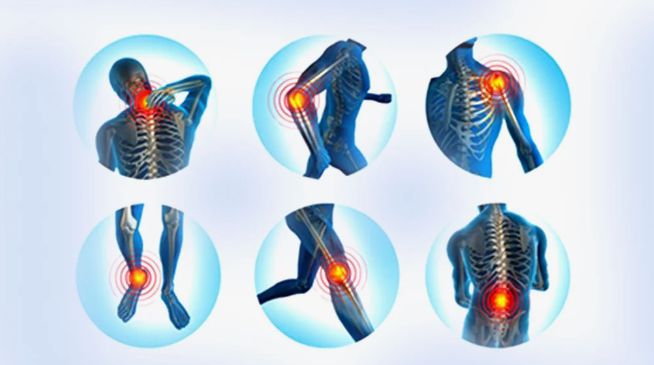
The curriculum of physiotherapy guides is designed to offer college students with a complete know-how of the human frame, its capabilities, and the strategies required for bodily rehabilitation. Here are the central topics generally included in physiotherapy programs
- Anatomy: This difficulty specializes in the shape of the human frame, along with bones, muscle groups, organs, and tissues. Understanding anatomy is essential for physiotherapists to pick out and deal with bodily illnesses effectively.
- Physiology: Physiology offers the capabilities and mechanisms of the human frame. It allows college students to apprehend how extraordinary structures of the frame paintings and the way they reply to numerous bodily therapies
- Microbiology: This difficulty covers the look at of microorganisms, along with bacteria, viruses, fungi, and parasites. Knowledge of microbiology is critical for know-how infections and enforcing suitable sterilization strategies.
- Biochemistry: Biochemistry includes the look at of chemical tactics in the human frame. It allows college students to apprehend the biochemical foundation of fitness and disease, which is crucial for powerful remedy planning.
- Pharmacology: Pharmacology is the study of drugs and their effects on the human body. Physiotherapy students need to understand pharmacology to manage and complement physiotherapeutic treatments with appropriate medication when necessary.
- Application of Physiotherapy: This difficulty covers the sensible components of physiotherapy, along with numerous strategies and modalities used for remedy. It consists of hands-on education in exercises, guide therapy, and using electro-bodily agents.
- Biomechanics: Biomechanics includes the look at of the mechanical ideas of motion and the way they follow the human frame. It allows physiotherapists to examine and enhance patients’ motion styles to save accidents and beautify performance.
- Kinesiology: Kinesiology is the look at human motion. It integrates information from anatomy, physiology, and biomechanics to apprehend how muscle groups and joints paint collectively throughout extraordinary activities. This know-how is essential for designing powerful rehabilitation programs.
Job Roles:
- Potential roles include Physiotherapist, Sports Physiotherapist, Rehabilitation Therapist, and Community Therapist.
Salary Expectations:
- Entry Level: ₹2.5 – ₹5 LPA
- Mid-Level: ₹4 – ₹6 LPA
- Senior-Level: ₹6 – ₹8 LPA
Top 10 Best Physiotherapy Colleges in India
Here is a list of the top 10 physiotherapy colleges in India, renowned for their excellent education, exposure, and hands-on experience:
- PGIMER Chandigarh – Postgraduate Institute of Medical Education and Research, Chandigarh
- SDM College of Physiotherapy, Karnataka
- St John’s Medical College, Karnataka
- BITS Institute of Physiotherapy, Gujarat
- Hemwati Nandan Bahuguna Uttarakhand Medical Education University, Uttarakhand
- Jamia Hamdard, New Delhi
- Dayananda Sagar College of Physiotherapy, Karnataka
- JSS College of Physiotherapy, Karnataka
- Dr. DY Patil University, Maharashtra
- Sri Ramachandra Institute of Higher Education and Research, Tamil Nadu
These colleges offer a comprehensive curriculum that combines theoretical knowledge with practical training, preparing students for successful careers in physiotherapy.
Conclusion
Choosing to pursue a degree in physiotherapy colleges+ is a promising step towards a rewarding career dedicated to improving patient health and well-being. With the increasing demand for qualified physiotherapists, obtaining a degree from one of India’s top colleges will equip you with the knowledge, skills, and experience necessary to excel in this field. Whether you are beginning your journey with a bachelor’s degree or seeking to advance your expertise with a master’s, this guide will help you make an informed decision and set you on the path to success in the field of physiotherapy.
Also, read
Career Options After Bachelor of Physiotherapy 2024
Exam Strategies MCQs for NEET PG and FMGE Exams: Top 10 Strategic Tips

Next article
How to Apply for JEE Main 2027: Registration Process, Documents & more