

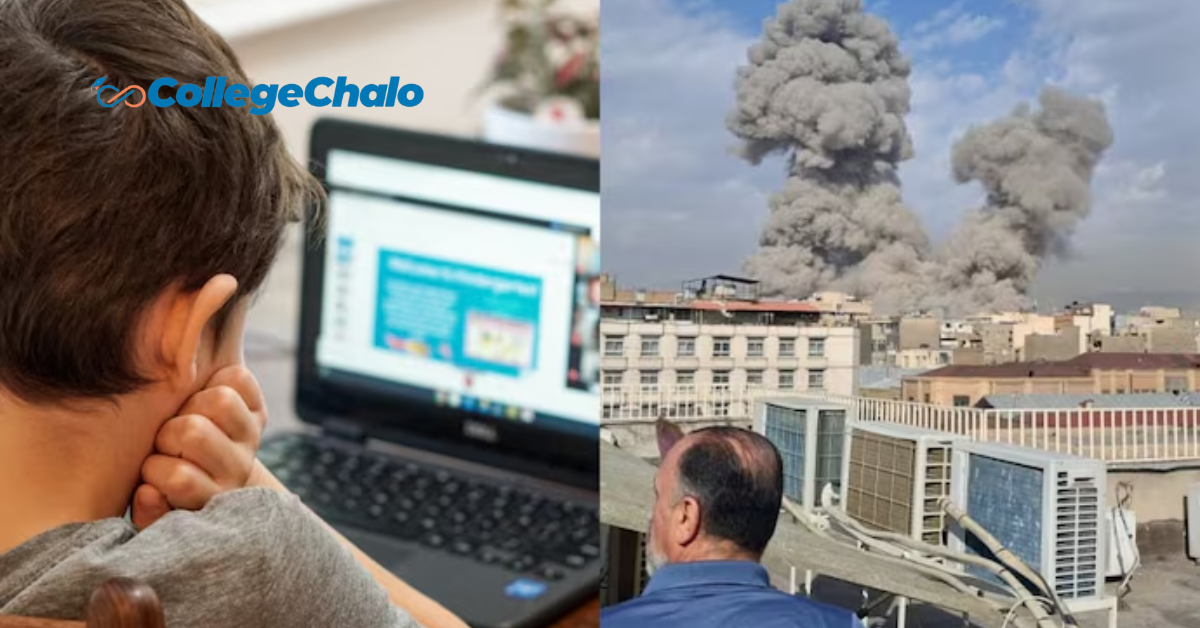
Exams Cancelled, Medical Dreams at Risk
The escalating Iran-Israel-US conflict in 2026 has turned the Middle East into a hotspot of uncertainty, hitting Indian students hardest. Over 1,000-1,500 medical students in Iran face a heartbreaking choice: evacuate for safety or risk losing an entire academic year. CBSE board exams stand cancelled across the Gulf, leaving thousands grappling with disrupted education, career delays, and financial strain. This echoes the 2022 Russia-Ukraine war chaos, where Indian medical students fled affordable programs only to struggle back home.
Exam Cancellations Rock Gulf Region Schools
CBSE and CISCE have taken drastic steps amid rising safety threats. Class 10 and 12 board exams are cancelled for students in Bahrain, Iran, Kuwait, Oman, Qatar, Saudi Arabia, and the UAE. India’s advisories urge nationals to leave high-risk zones due to military strikes and escalating tensions.
This disruption affects thousands of Indian families who send children to the Gulf for quality international schooling. Without exams, boards now pivot to internal assessments and alternative evaluations. Parents worry these proxies won’t hold weight for competitive college admissions in India or abroad.
Search Tip: For CBSE updates, check official sites like cbse.gov.in – cancellations stem directly from MEA travel advisories.
Medical Students in Iran Face Evacuation Dilemma
Iran hosts 1,000-1,500 Indian medical students drawn by low-cost MBBS programs – fees often one-tenth of Indian private colleges. The conflict forces a stark binary: stay for mandatory exams like Olum-e-Paye or evacuate and forfeit progress.
Non-postponed exams mean leaving equals an academic year lost. Students risk repeating courses, delaying graduation by 12 months or more. Many arrived from modest backgrounds, betting on Iran’s affordability (annual costs around ₹10-15 lakh vs. ₹25-50 lakh in India). A break now piles on debt without degrees.
NDTV reports high anxiety levels, with families torn between safety and futures. Evacuation flights are prioritised, but re-admission uncertainties loom large.
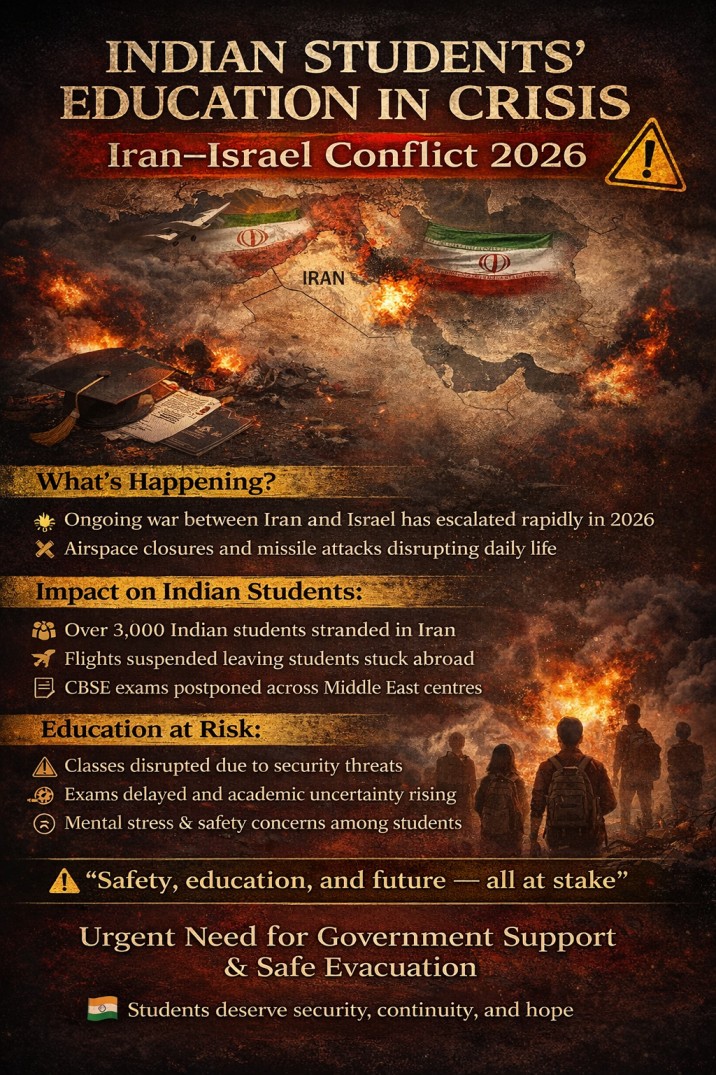
Echoes of the 2022 Russia-Ukraine War Nightmare
This isn’t new – the 2022 Russia-Ukraine invasion stranded 20,000+ Indian students, mostly medical. Thousands fled under Operation Ganga, returning penniless and mid-semester. Cheap Ukrainian MBBS (₹3-5 lakh/year) lured them, but war shattered dreams.
Four years on, many still battle re-admissions, NEET reattempts, and lost years. Indian Medical Council recognises foreign degrees, but gaps trigger scrutiny. Ukraine returnees faced FMGE delays; Iranian students fear the same. Government aid like scholarships helped them – will history repeat?
Economic Times notes parents now demand seat guarantees for returnees, pushing for policy flexibility.
Broader Impacts: Safety, Finance, and Mental Toll
- Safety First: MEA advisories highlight airstrikes and border closures. Students report blackouts, internet cuts, and relocation chaos.
- Financial Fallout: Lost tuition, relocation costs (flights ₹50,000+), and stalled careers hit hard. Iran’s appeal was budget-friendly education; disruptions erase savings.
- Psychological Strain: NDTV covers family distress – sleepless nights, career fears. Teens miss formative exams; medics eye uncertain residencies.
- Higher Ed Ripple Effects: Gulf cancellations cloud IITs, NITs, and med school entries. Internal marks may undervalue talent, sparking equity debates.
Government and Institutional Responses
India ramps up evacuations via Operation Ajay-like missions. CBSE explores online proctoring or deferred exams. Iran’s universities offer partial credits, but recognition hurdles persist.
Parents urge UGC and MCI for “war clause” provisions – flexible seats, bridge courses. Demand surges for Indian alternatives like NMC-approved colleges, though seats are scarce.
Path Forward: Safeguarding Student Futures
Stakeholders push for hybrid learning, credit transfers, and mental health support. Tech like virtual exams could mitigate losses. Long-term, diversify study abroad – safer destinations like the Philippines or Georgia gain traction. Indian students deserve resilience amid geopolitics. Quick policy tweaks can turn crisis into comeback.